References: (Note: For publication, replace this with properly cited scientific literature supporting the claims made in the review.)
According to the Office of Dietary Supplements, the following people are most at risk for thiamine deficiency: Older adults Those dependent on alcohol People with HIV/AIDS People with diabetes Those who have had bariatric surgery Mount Sinai: "Thiamin" National Institutes of Health Office of Dietary Supplements: "Thiamin" Mayo Clinic Laboratories: "Thiamine (Vitamin B1), Whole Blood" America's Poison Centers: "Get online poison help now" PubChem: "Thiamine Hydrochloride - Safety and Hazards" BMJ Case Reports: "Anaphylactic Shock and Cardiac Arrest Caused by Thiamine Infusion" MedlinePlus: Thiamine (Vitamin B1) Lynn Grieger, RDN, CDCES Medical Reviewer Lynn Grieger is a registered dietitian-nutritionist, certified diabetes care and education specialist, certified personal trainer, and certified health and wellness coach
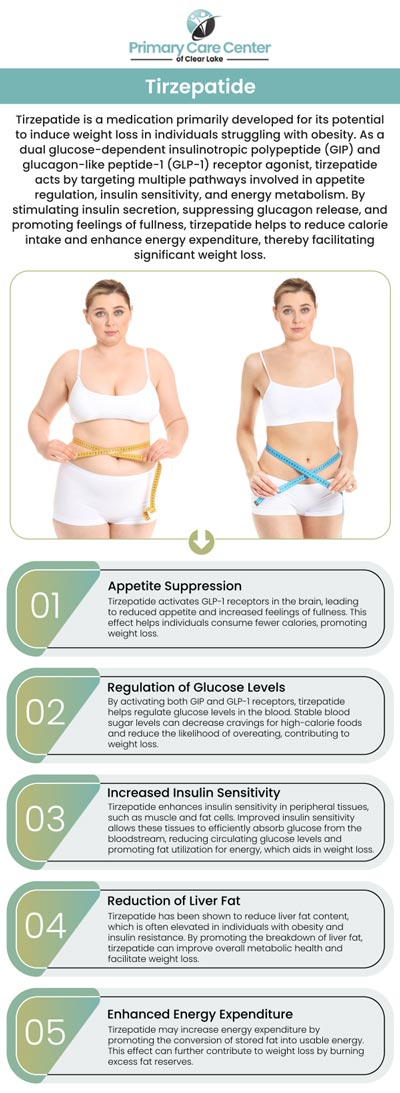
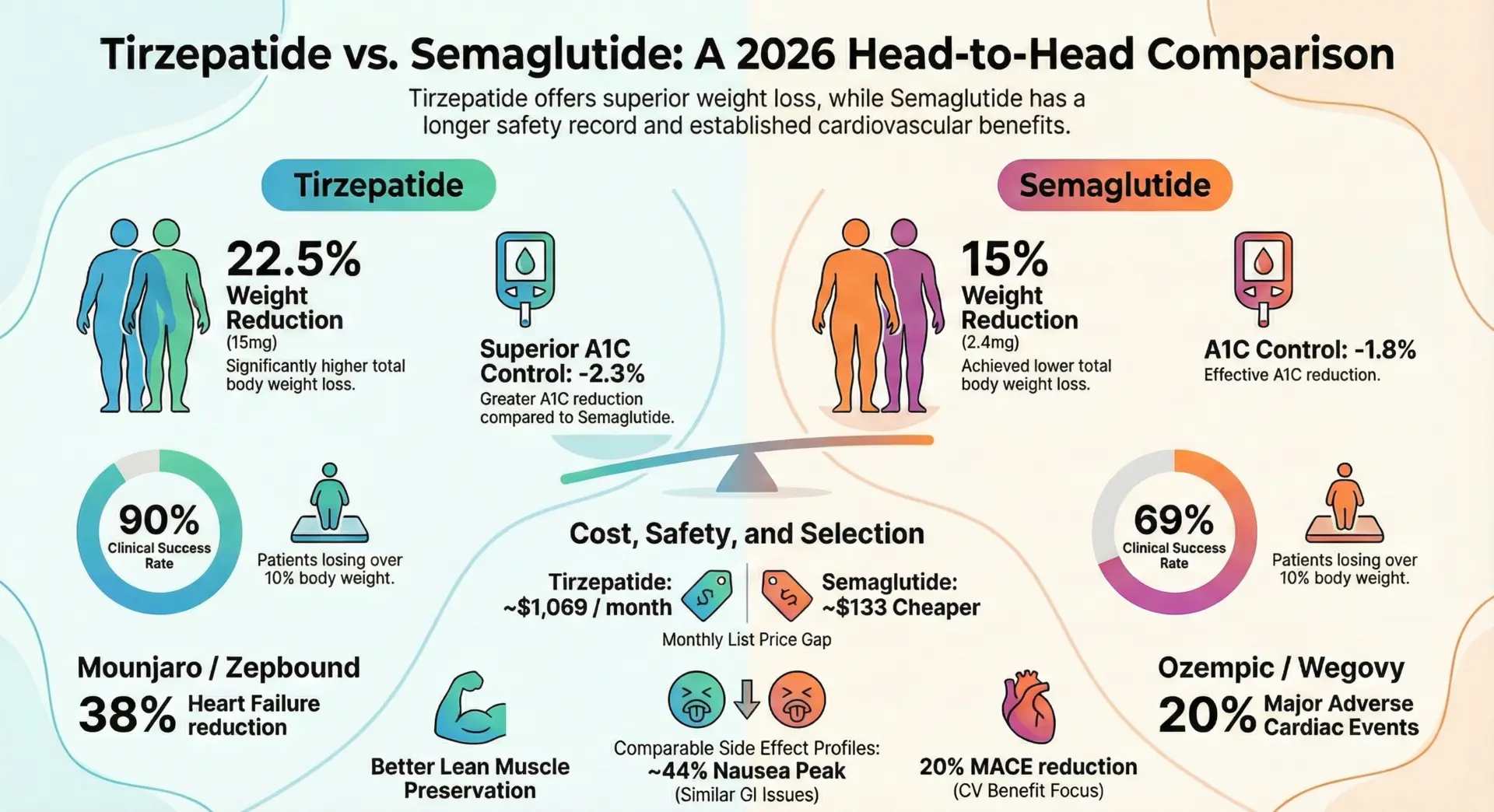
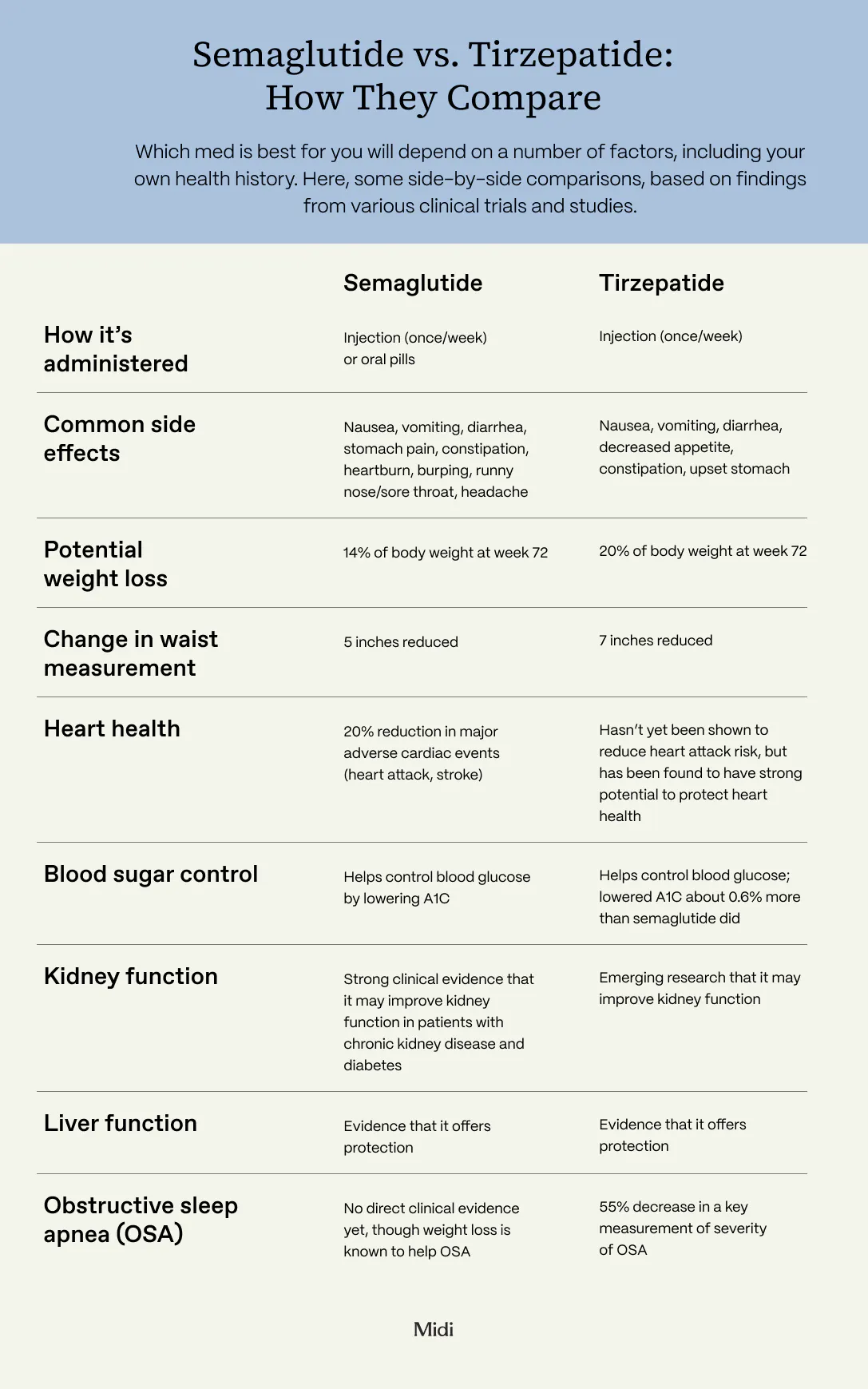
When Its Really About Blood Sugar: Diabetes Applications In diabetes care, especially for type 2, these peptides help your body produce insulin more efficiently when glucose spikes, while curbing glucagon release
It helps bind and neutralise toxins, heavy metals, and free radicals, aiding the body in safe elimination and protecting your cells from damage