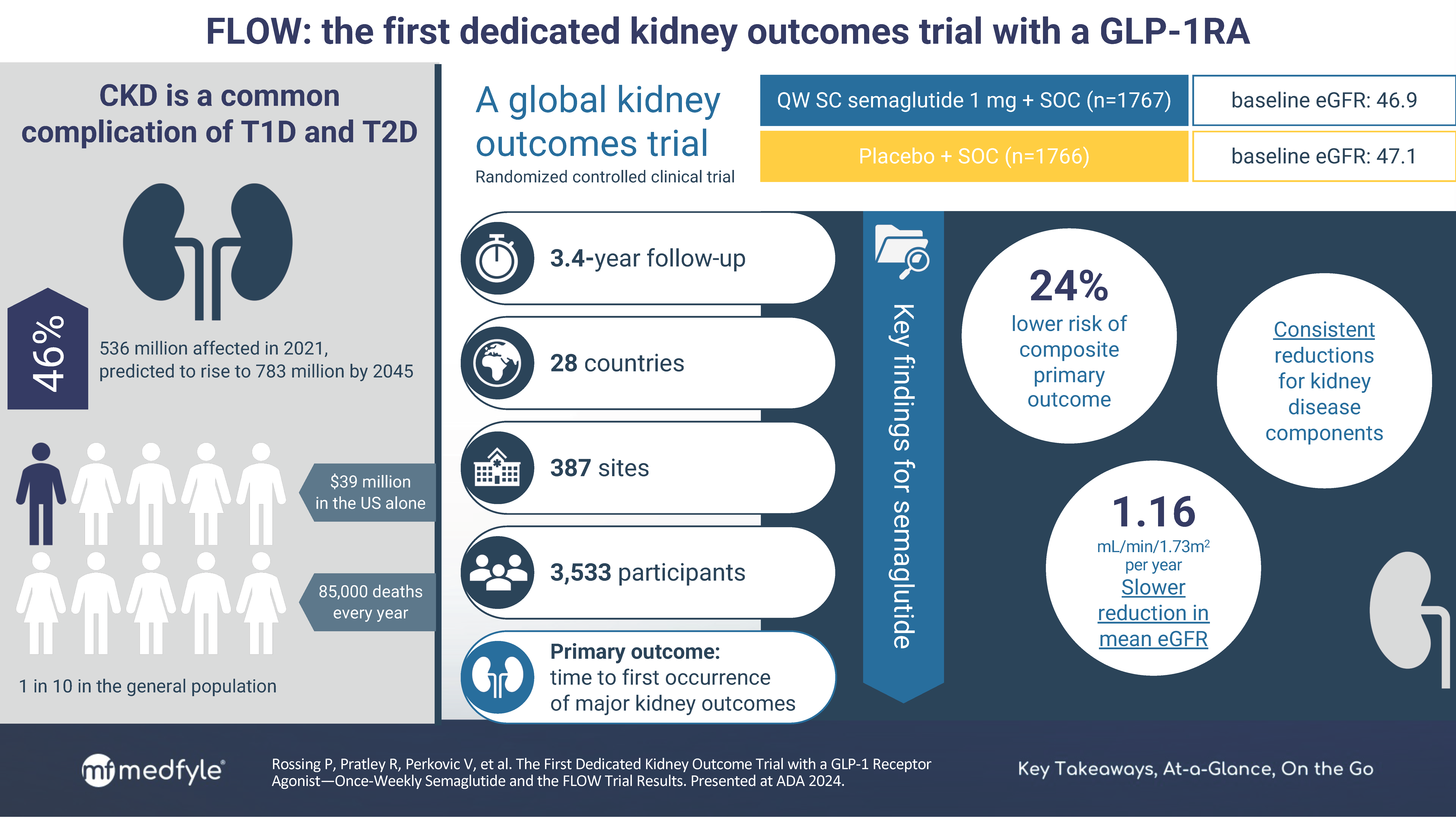
Safety profile Serious adverse events were reported by 9% in each group, with serious gastrointestinal events only reported by those in the semaglutide group
CMS has issued guidance to Medicare Part D plans stating that anti-obesity medications that receive FDA approval for an additional medically accepted indication can be considered a Part D drug for that specific use, the spokesperson explained, adding that Medicare coverage is still not available to patients only taking the drug to lose weight

9.6%).21 A meta-analysis of 16 RCTs of orlistat 120 mg 3 times daily ( n = 10 631 participants) reported a mean placebo-subtracted weight change of 2.9% (95% CI 3.4% to 2.5%) at 1 year.53 The most common adverse effects with orlistat included oily stool, fecal urgency, and spotting, occurring in 15%30% of patients and leading to discontinuation in some cases.53 Further details on efficacy, potential adverse effects, contraindications, and potential medication interactions are available in Appendix 1, and are reviewed in greater detail in the full guideline on the Obesity Canada website.7 Long-term treatment After weight loss with pharmacotherapy Obesity medications are intended as part of a long-term treatment strategy (Table 1, recommendation 4)
right upper abdominal pain or fever, which might suggest gallbladder disease












![Henry Meds Semaglutide Review [2026]](https://innerbody.imgix.net/henry-semaglutide-with-ondansteron-close-up.jpg)