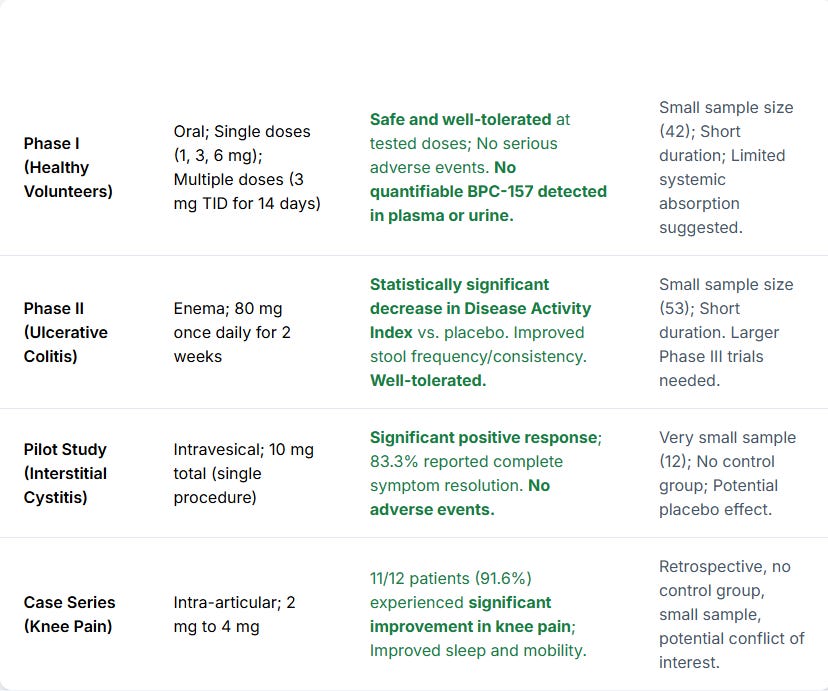
Transcribed image text: HE Table 20.1 Standard reduction potentials of some reactions Oxidant Reductant Succinate + CO2 a-ketoglutarate Acetate Acetaldehyde Ferredoxin (oxidized) Ferredoxin (reduced) 2H NAD NADH + H+ NADP+ NADPH + H Lipoate (oxidized) Lipoate (reduced) Glutathione (oxidized) Glutathione (reduced) 2 FAD FADH, Acetaldehyde Ethanol Pyruvate Lactate 2 H Cytochrome b (+3) Cytochrome 6(+2) Dehydroascorbate Ascorbate Ubiquinone (oxidized) Ubiquinone (reduced) Cytochrome c(+3) Cytochrome c(+2) Fe(+3) Fe (+2) 1,0, +2H ,0 NNNNNN= - NNNNNNN E'o(V) -0.67 -0.60 -0.43 -0.42 -0.32 -0.32 -0.29 -0.23 -0.22 -0.20 -0.19 0.001 +0.07 +0.08 +0.10 +0.22 +0.77 +0.82 Note: E'o is the standard oxidation-reduction potential (pH 7, 25C, except where noted) and n is the number of electrons transferred
Scientific Reports , 12(1), 639
This can occur due to loss of appetite, digestive issues, and muscle weakness, which are common side effects of B12 deficiency
In most cases, it is not understood whether these diseases are caused by the extra chromosome, the altered metabolic profile, or both
.png)