This means you should not jump back in at your maintenance dose
Key Takeaways Stomach pain on reta is primarily caused by delayed gastric emptying: Retatrutide's GLP-1 receptor activation slows how fast food leaves the stomach, producing cramping, bloating, and abdominal discomfort The triple-agonist mechanism amplifies GI effects: Unlike semaglutide (GLP-1 only) or tirzepatide (GLP-1/GIP), retatrutide hits three receptors GLP-1, GIP, and glucagon creating a broader gastrointestinal impact Abdominal pain affected up to 12% of participants at higher doses: Phase 2 trial data (NEJM, 2023) documented abdominal pain as a distinct adverse event beyond nausea and diarrhea Dose escalation significantly reduces stomach pain incidence: Gradual titration groups reported fewer GI events than participants who started directly at target doses Most stomach pain is transient: Published data shows GI discomfort peaks during the dose-escalation phase and diminishes as the body adjusts at stable doses Severe or persistent abdominal pain requires medical evaluation: Intense, unrelenting belly pain could indicate pancreatitis a rare but serious adverse event documented across all GLP-1 class compounds Why Retatrutide Causes Stomach Pain Stomach pains on reta are the most commonly searched complaint among researchers following this compound and for good reason

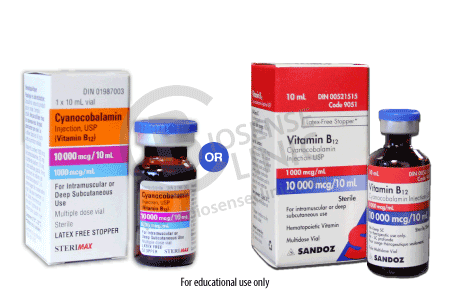
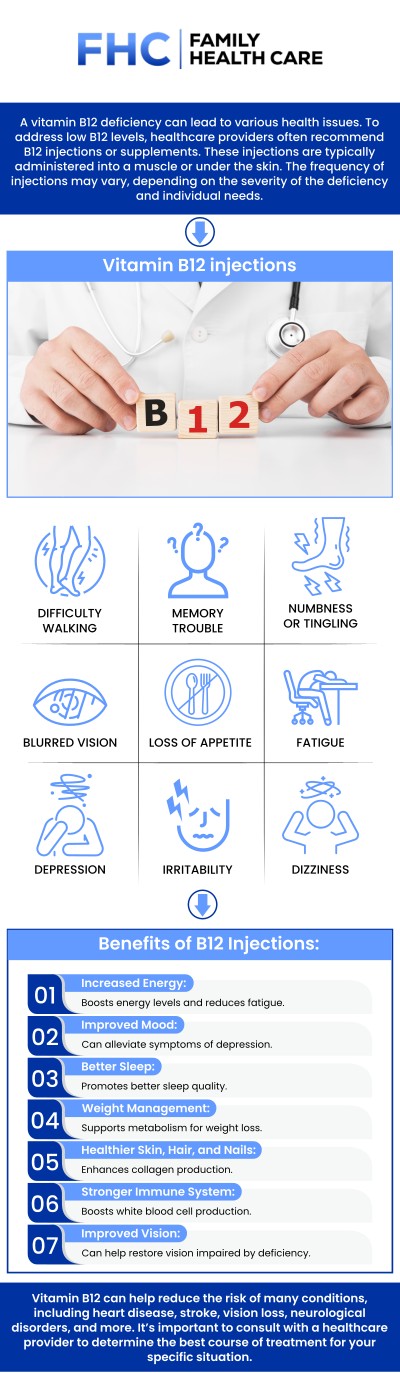
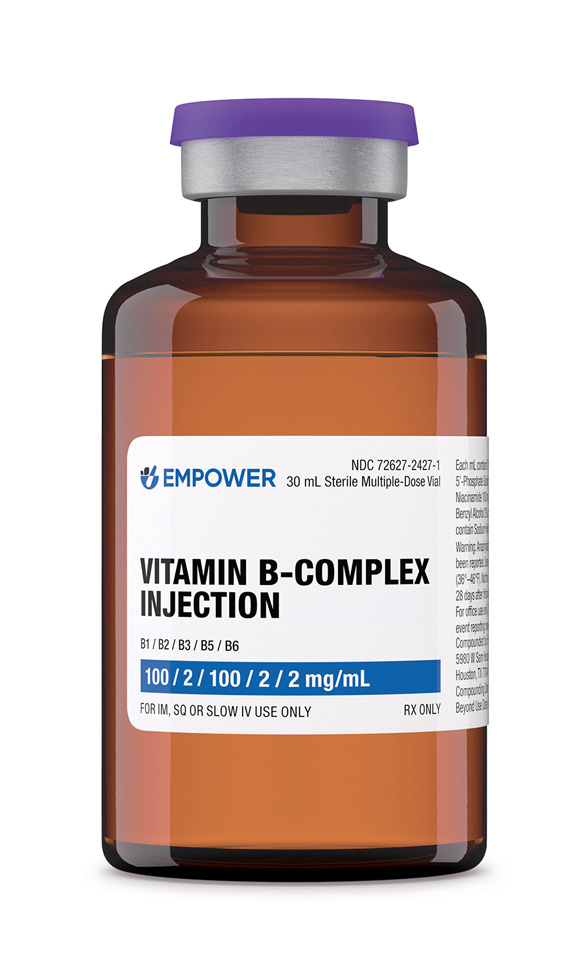
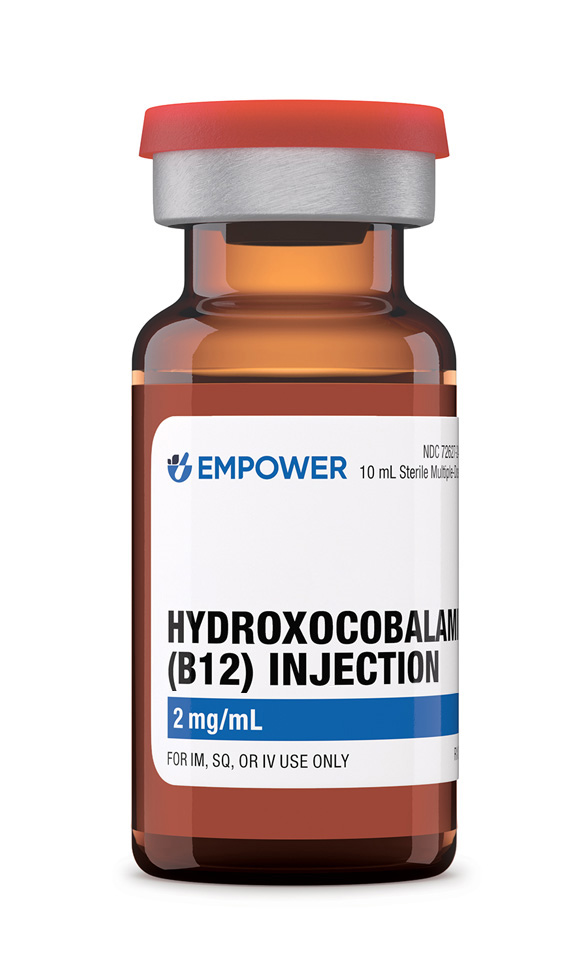
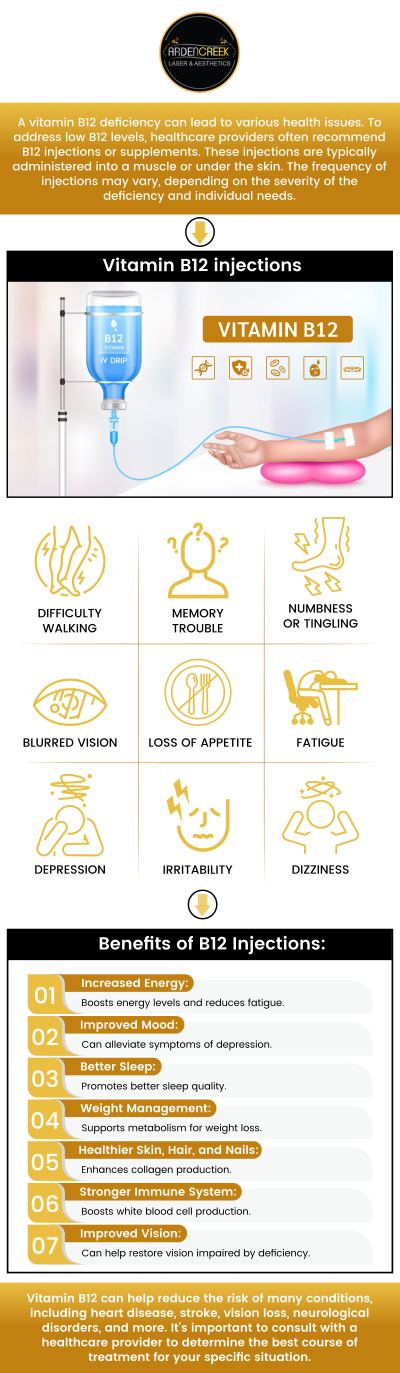
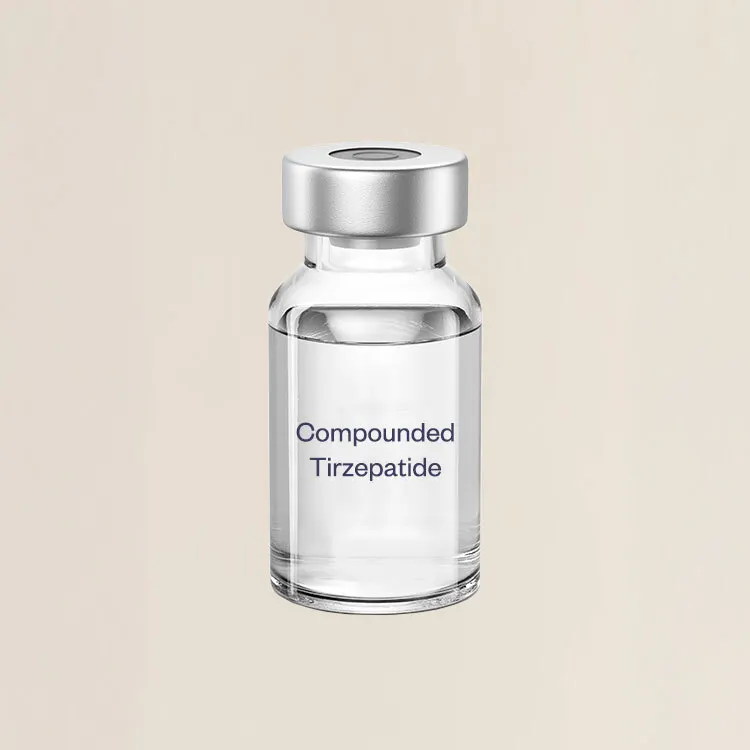
Compound blends during transition periods Some compounding pharmacies offer GLP-1 formulations blended with additional compounds like B12 , glycine , L-carnitine , or niacinamide
Symptoms to watch for include dry mouth, fatigue, a fruity odor to the breath, trouble breathing, stomach pain, nausea, and vomiting