Additionally, its mild anti-inflammatory properties offer relief in inflammatory conditions
Cardiovascular diseases (CVDs) are the leading cause of mortality post-transplant, driven by prevalent traditional risk factors, along with complications related to chronic kidney disease (CKD), such as left ventricular hypertrophy and mineral bone disease, which often persist after the transplant [3, 4]
So it not only offers a way for the glutathione to enter the system fast but also with more effective results
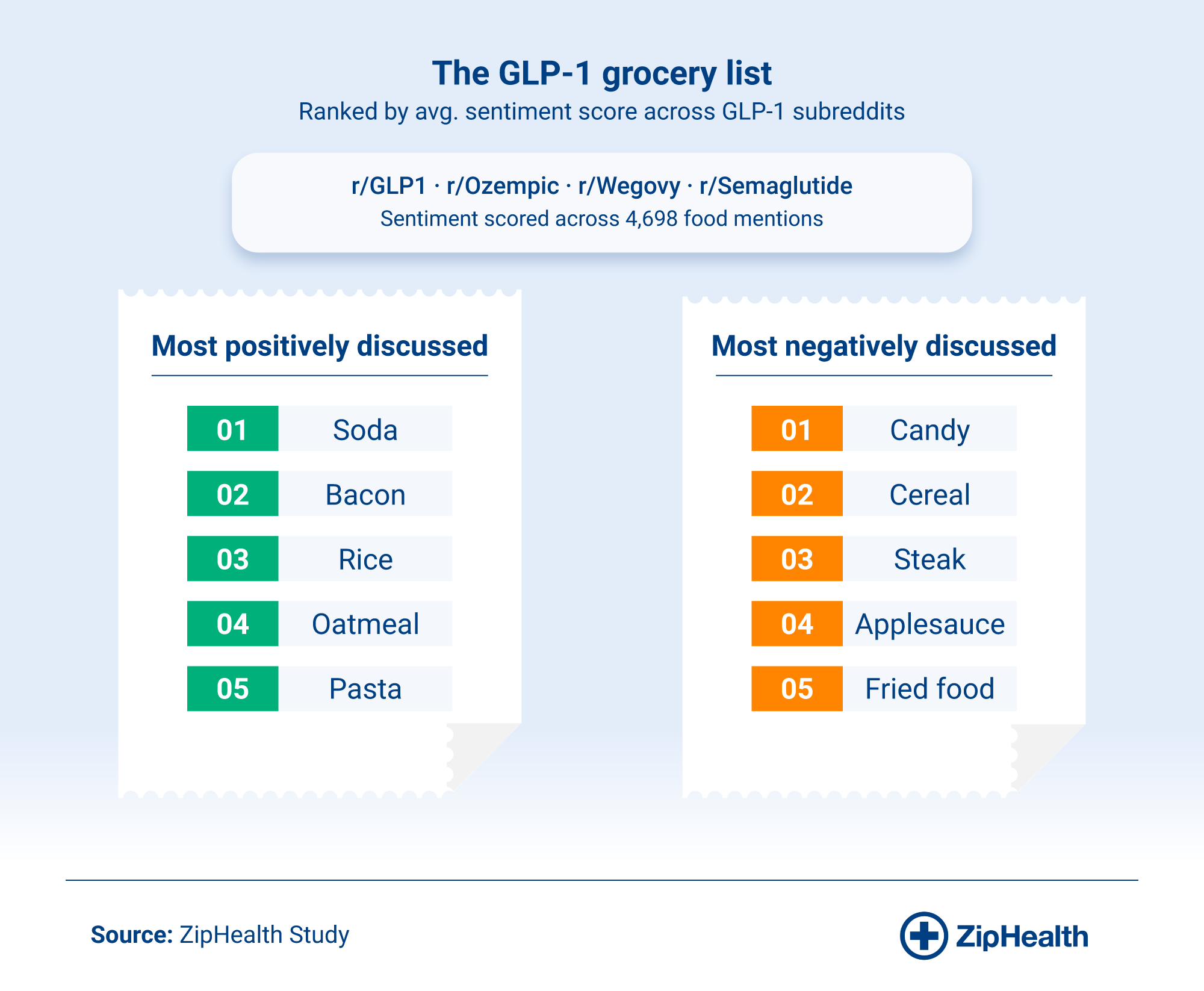
High-fiber foods that support GLP-1 production include: Legumes and pulses : Lentils, chickpeas, black beans, and kidney beans provide both soluble fiber and resistant starch Whole grains : Oats, barley, quinoa, and intact whole grains (not refined products) Vegetables : Particularly cruciferous vegetables (broccoli, Brussels sprouts), artichokes, and leafy greens Nuts and seeds : Almonds, chia seeds, flaxseeds, and psyllium husk Fruits : Berries, apples with skin, pears, and citrus fruits The USDA Dietary Guidelines for Americans recommend consuming 14g of fiber per 1,000 calories, which translates to about 25g daily for women and 38g for men