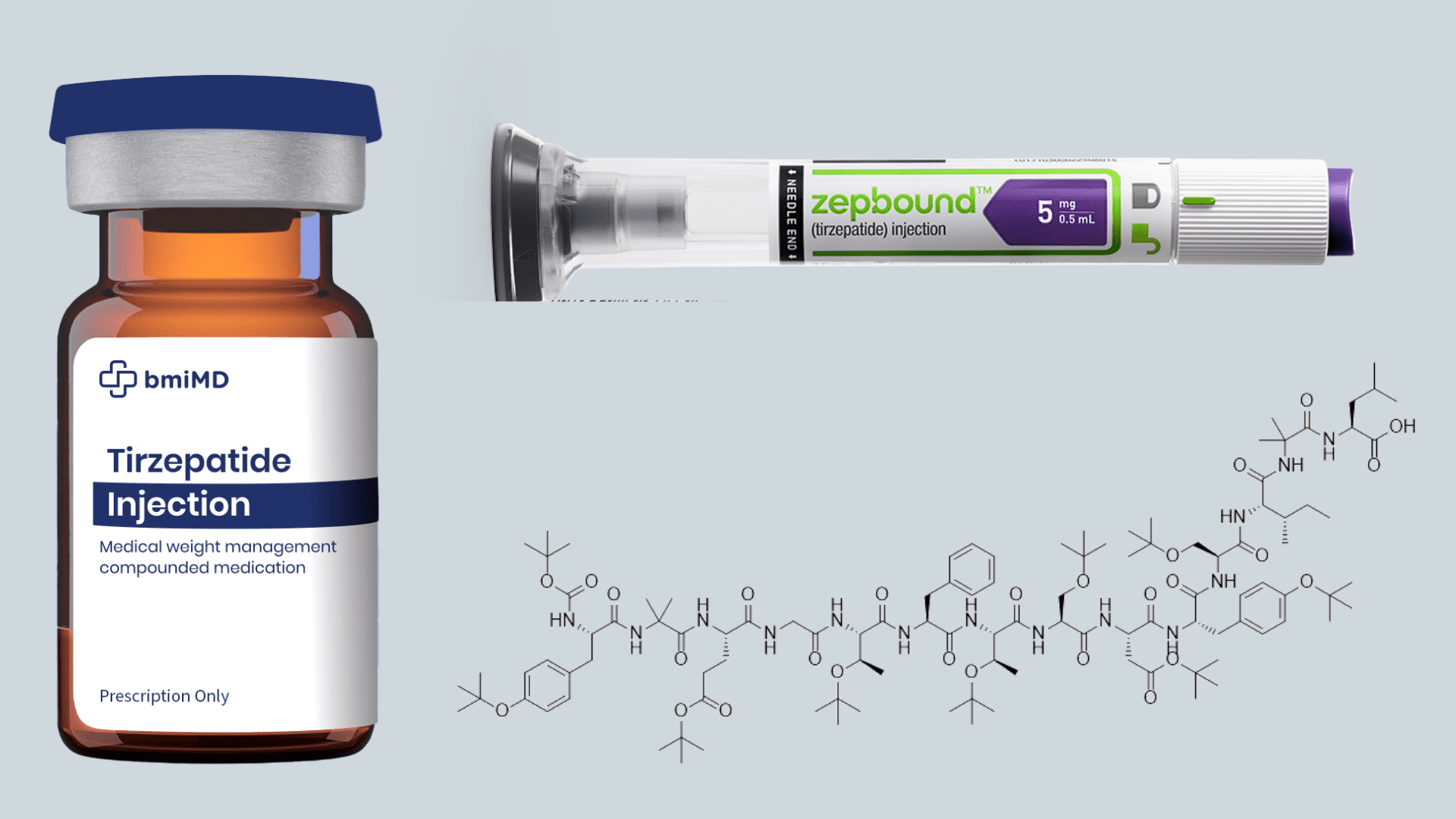
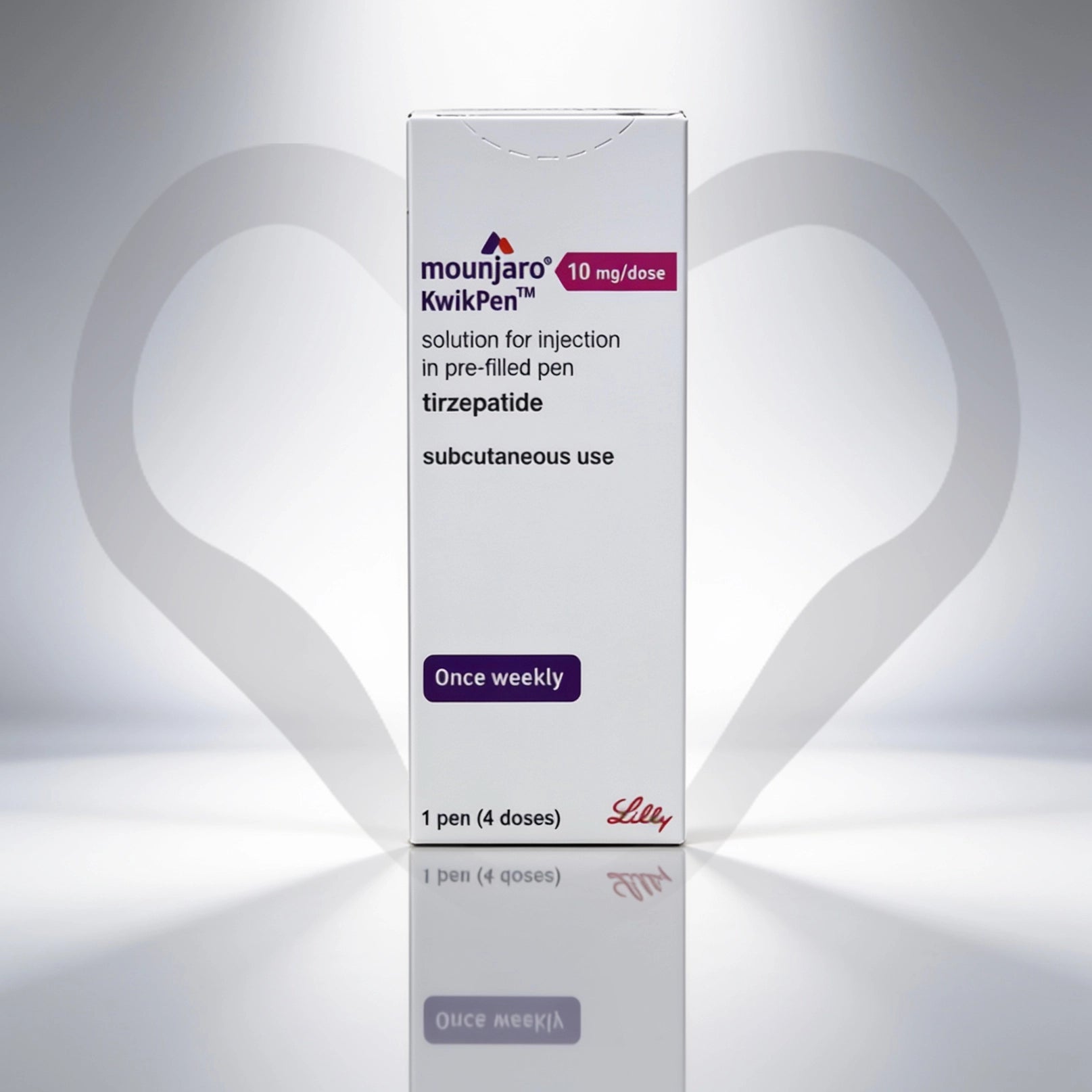
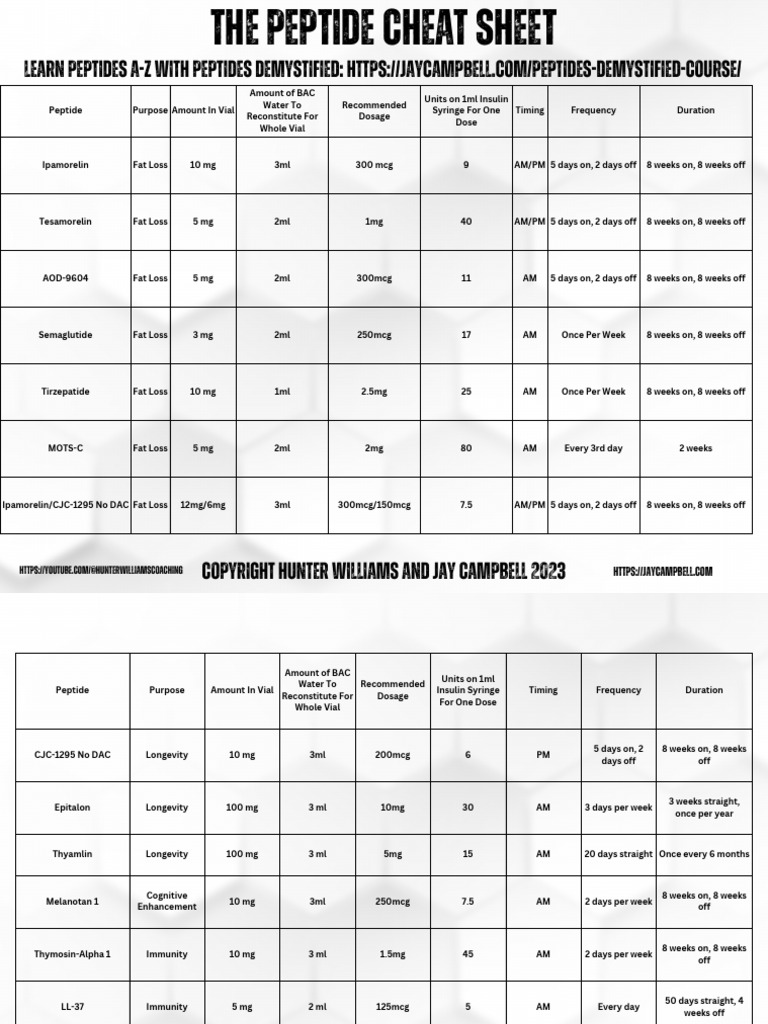
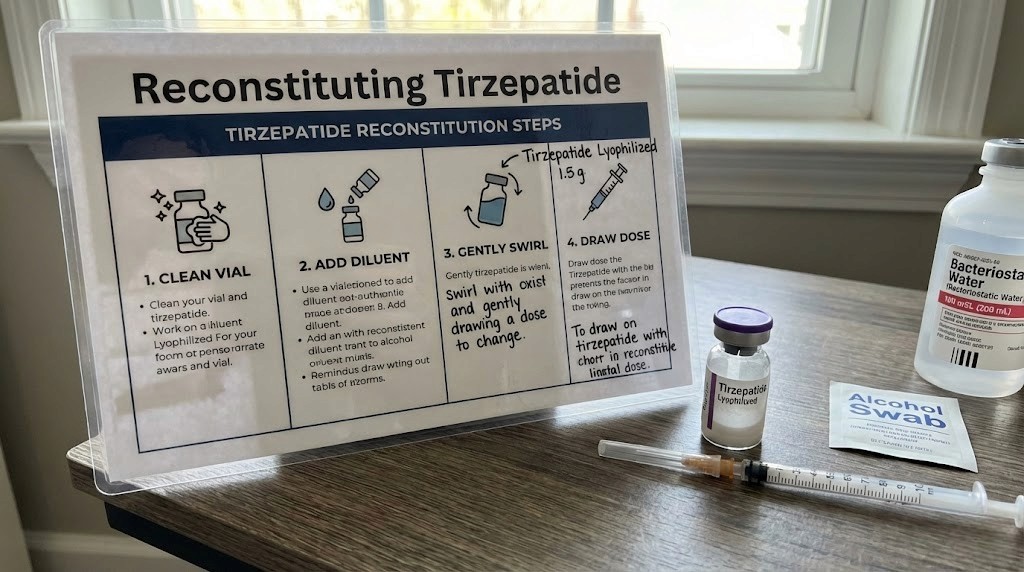
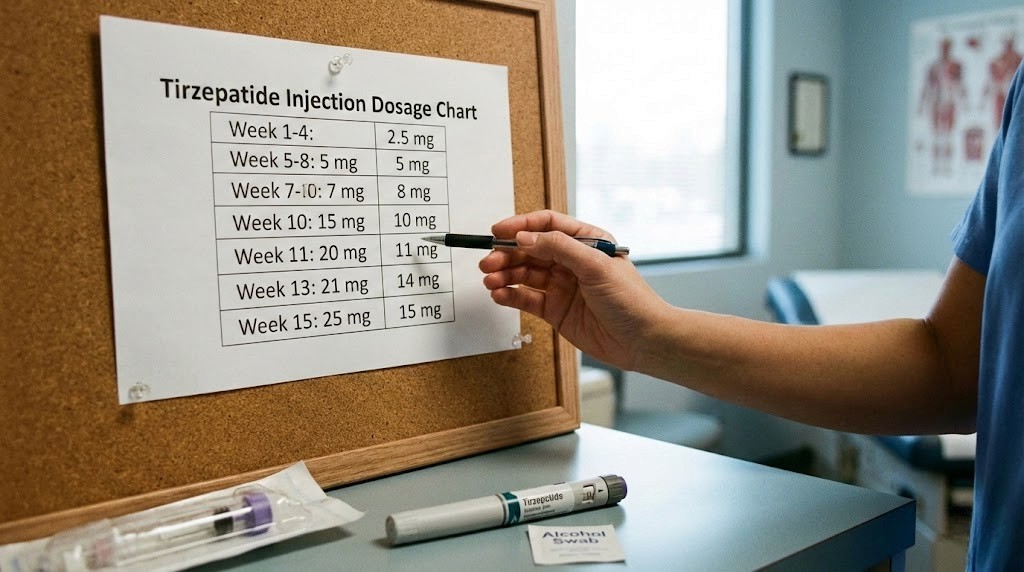
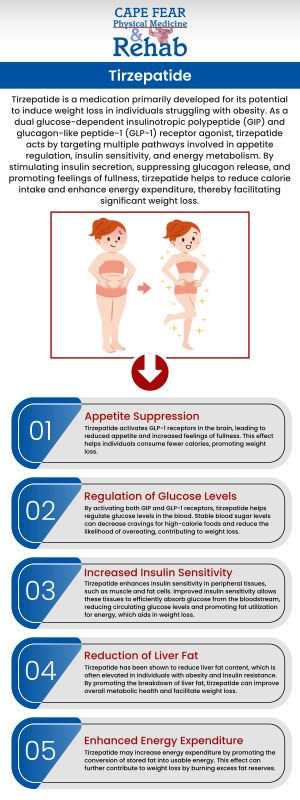
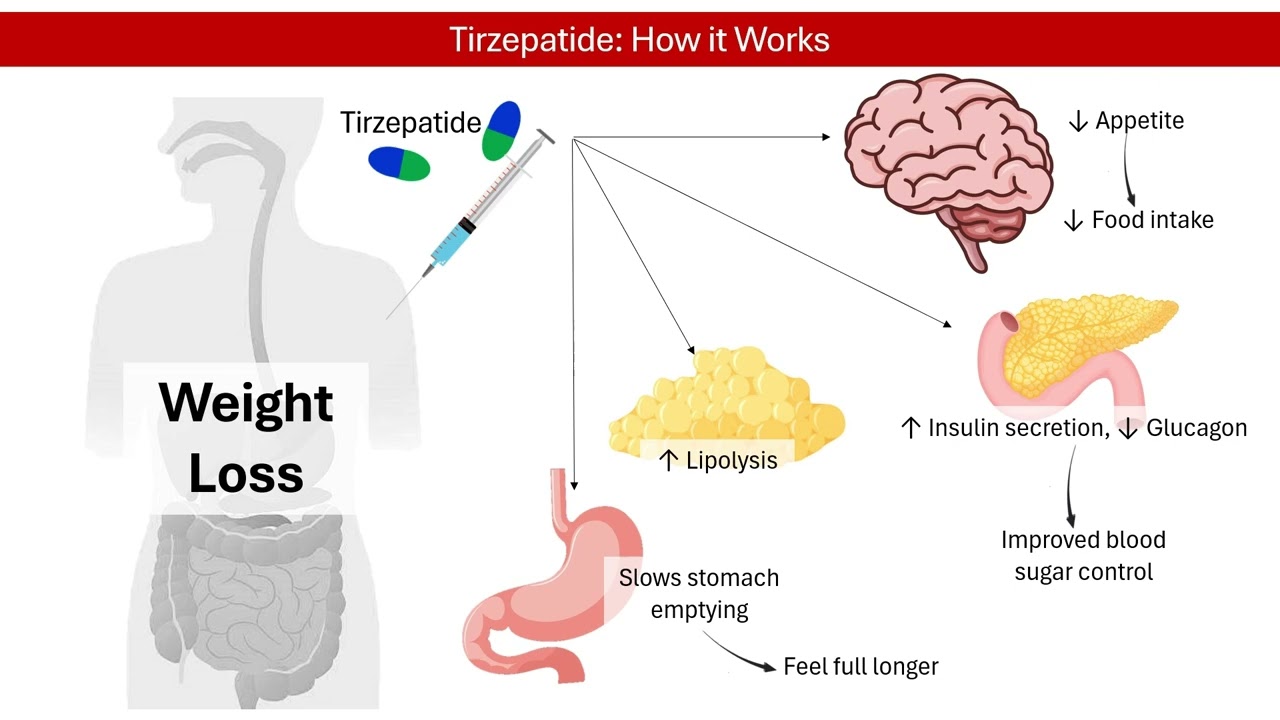
For those on a weight loss program involving semaglutide or tirzepatide, it is often safer to treat specific symptoms individually rather than using broad, all-in-one remedies
GLP-1 weight loss users significantly reduce their unit volume of food purchasing (-8.6%) and more revealingly of alcohol (-14.5%).[18] More recent, less accurate, survey research on GLP-1 weight-loss drug users from September 2023 suggests the following rank order of reported decreased consumption that features a big impact to the QSR and candy industries: Fast Food (77%) Pizza restaurants (74%) Confectionery (72%) Carbonated/sugary drinks (70%) Cookies/baked products (69%) Alcohol (66%)[19] Top foods where users report an increase in consumption: Fruits and vegetables 54% Weight-loss management foods (44%) Poultry and fish (38%)[20] GLP-1 drugs, unlike bariatric surgery, appear to have a strong effect on muting intrinsic desire for compulsive (and impulsive) eating and drinking
They can evaluate your specific metabolic health, discuss currently available evidence-based options, and help you build a safe, personalized strategy tailored to your long-term goals
In IIH, endocrine dysfunction, cardiovascular risks and systemic metabolic changes are thought to impair normal CSF dynamics