What the evidence shows Consistency across studies: a systematic review spanning 36 studies from 1993 to 2024 found reliable evidence of structural and functional recovery across tendon, ligament, muscle, and bone injury models, with no adverse effects reported at any dose tested, a notably clean safety signal given the study volume (Vasireddi et al., 2025) A specific mechanism in tendon repair: preclinical work found BPC-157 upregulates growth hormone receptor expression in tendon fibroblasts specifically, pointing to a plausible pathway for its effects on connective tissue (Chang et al., 2018) Reach beyond the musculoskeletal system: research has extended into the gut, liver, and cardiovascular system, suggesting the cytoprotective activity isnt confined to one tissue type but reflects a broader mechanism (Jozwiak et al., 2025) For research use only
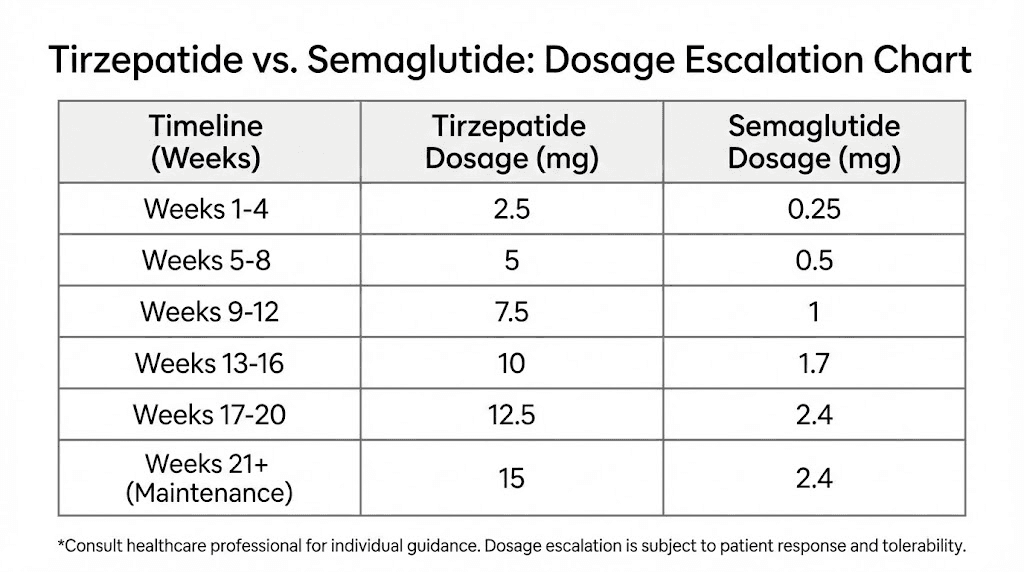
Both represent clinically meaningful improvements, but tirzepatide's dual-receptor approach typically yields larger reductions on average
Optimization of purification, identification and evaluation of the in vitro anti-tumor activity of polyphenols from Pinus koraiensis pinecones
Primary GLP-1 manufacturing unit operations The upstream steps in GLP-1 manufacturing (which involve building the peptide and then cleaving it from its solid base) are highly specialized processes found in only a few pharmaceutical domains, including oligonucleotide production