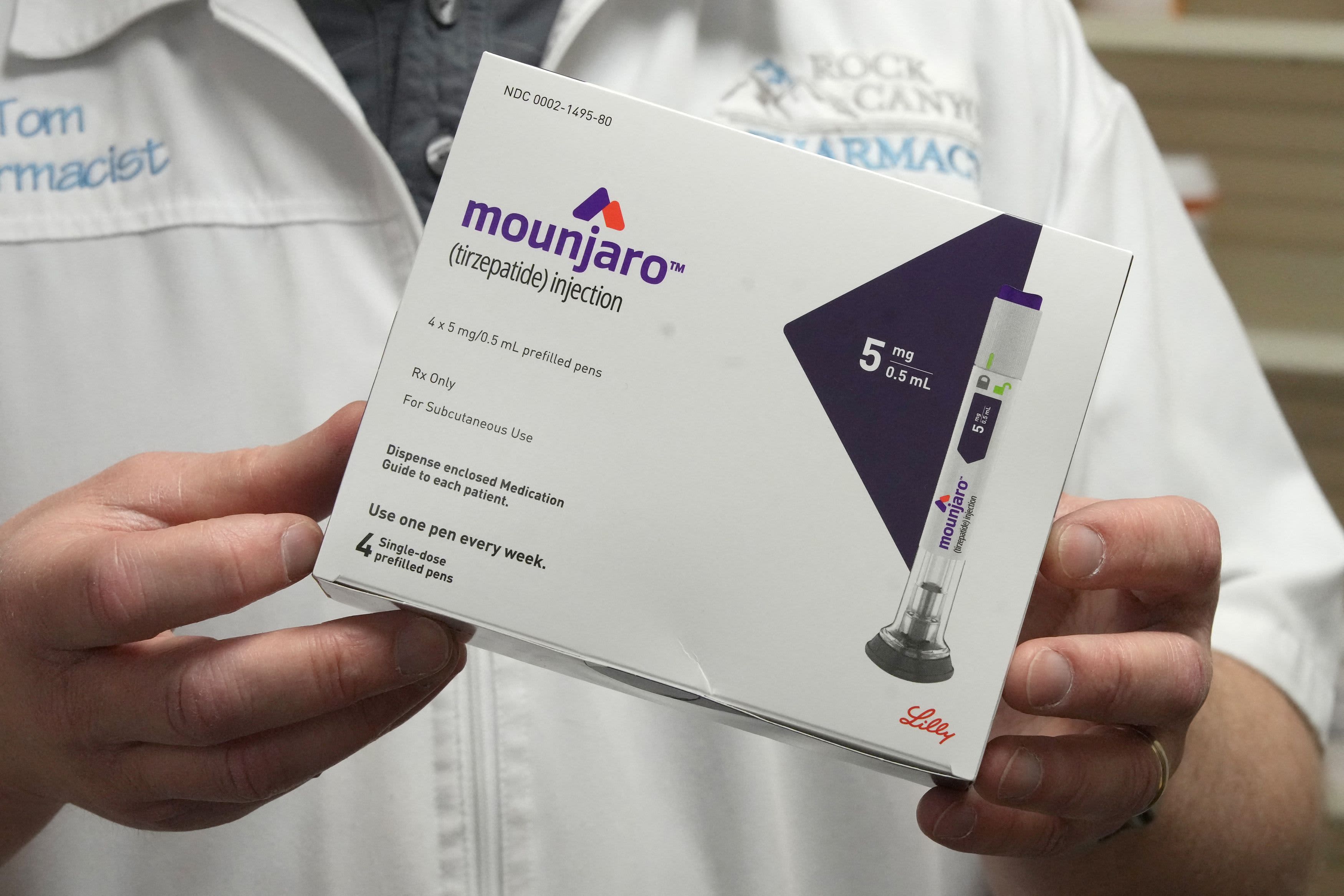
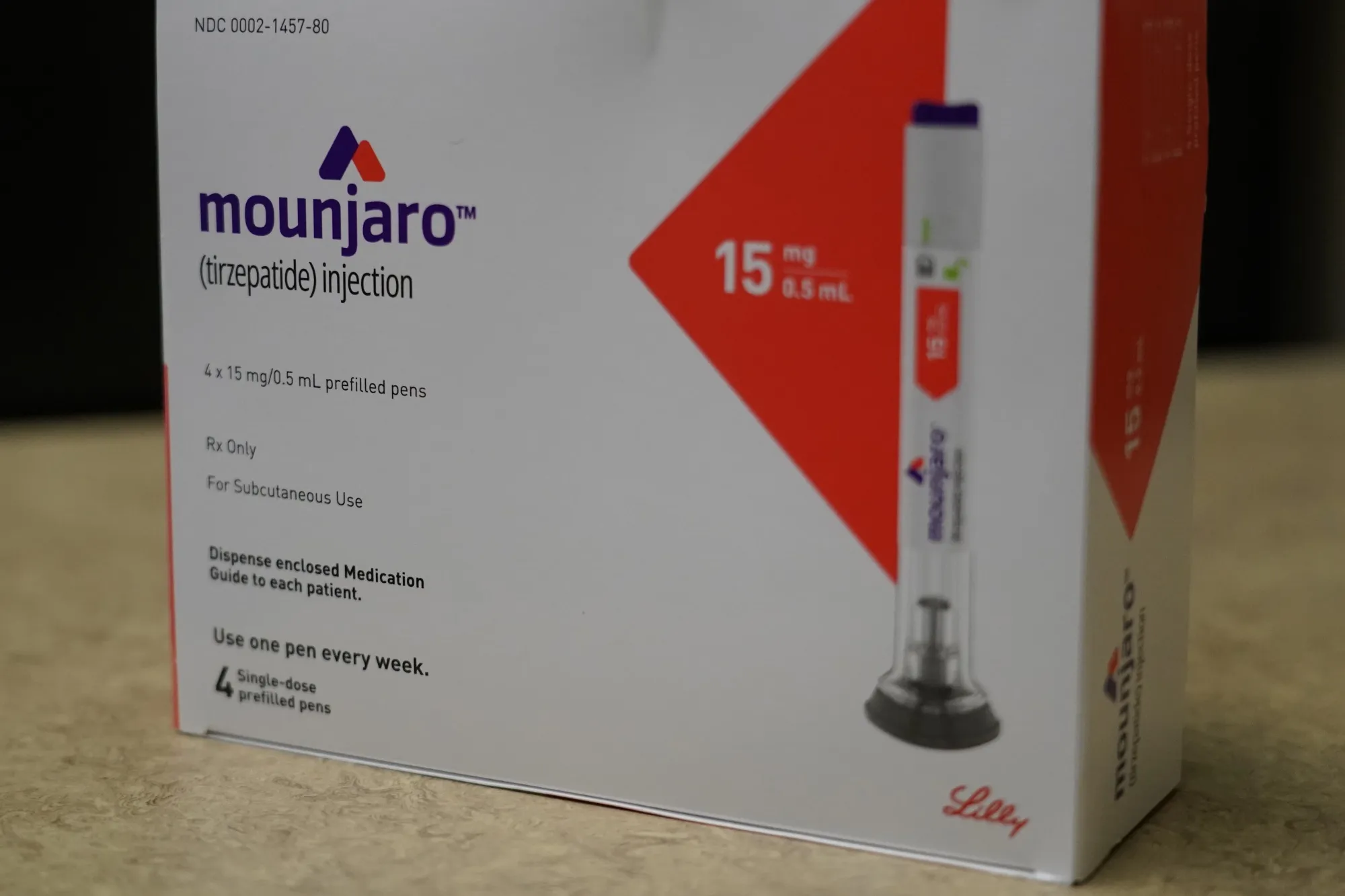
Practical Meal Strategies Eat protein first at each meal before moving to vegetables and carbohydrates Smaller, more frequent meals may be better tolerated than two or three large meals, especially during dose escalation Avoid greasy and fried foods during the first weeks of treatment when nausea is most common Plan ahead so you always have high-protein options available, even when appetite is low Limit alcohol as it adds empty calories and can worsen GI side effects Foods to Prioritize Lean proteins: chicken breast, turkey, fish, shrimp, eggs, tofu Dairy: Greek yogurt, cottage cheese, string cheese Vegetables: leafy greens, broccoli, bell peppers, zucchini Complex carbs: sweet potatoes, quinoa, oats, brown rice Healthy fats: avocado, olive oil, nuts (in moderation) Foods to Limit or Avoid Fried and greasy foods (worsen nausea and slow digestion further) Sugary beverages and desserts (empty calories with no nutritional value) Highly processed snack foods Alcohol (interferes with weight loss and amplifies GI side effects) Large portions of any single food (your stomach capacity is reduced) Frequently Asked Questions What if I have no appetite at all

Alternatively, one commenter suggested that CMS could continue to pay for J1 brachytherapy insertion codes under the C-APC payment methodology but exclude and make separate payment for designated preparation and planning services in addition to the C-APC payment
It is well known that patients with NASH have a substantially increased risk of coronary artery disease and cardiovascular complications are the most frequent cause of death among patients with NASH 34
Embrace the opportunity for effective, sustained weight loss right in North Carolina