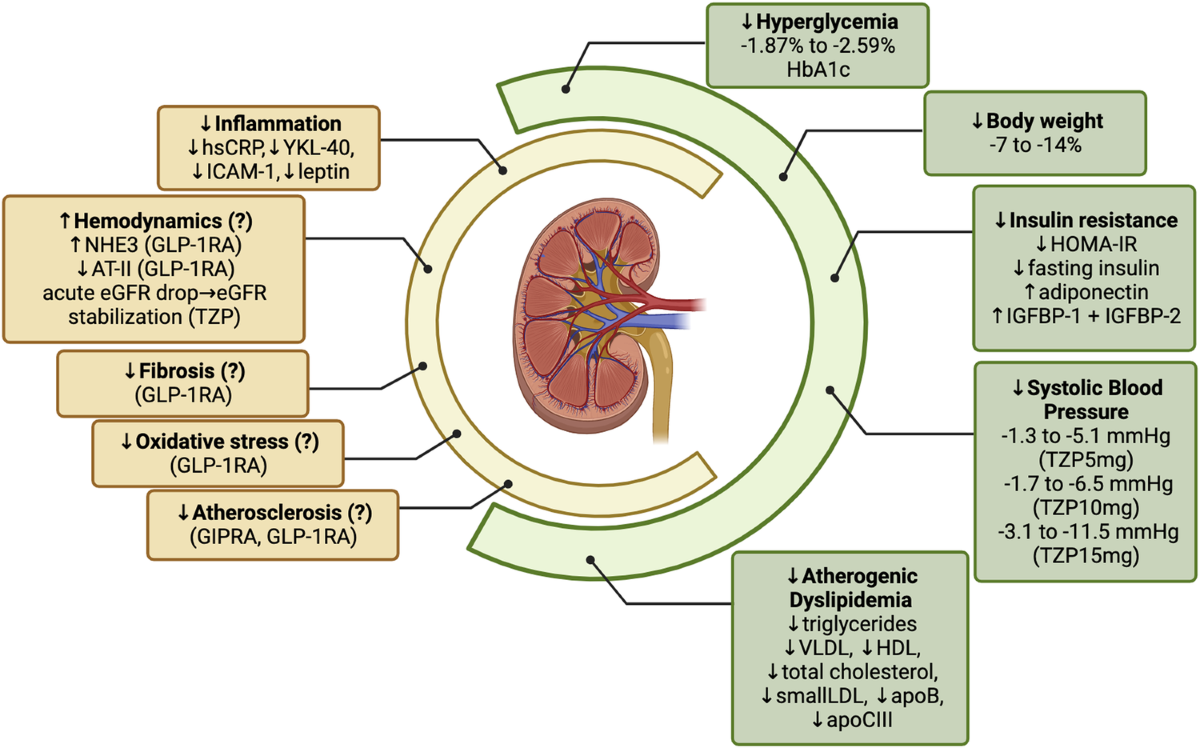
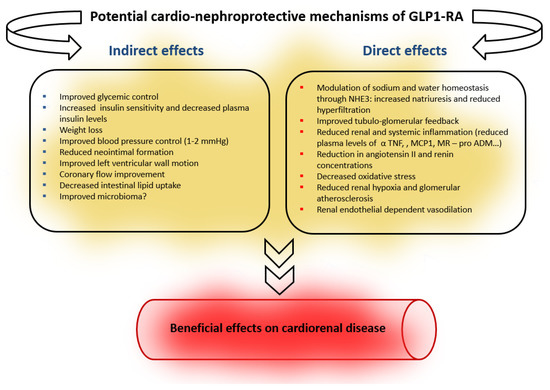
This drug, dubbed "triple G," delivered an average weight reduction of 24% after 48 weeks, setting a new benchmark for obesity treatments
Primary Endpoint: The main outcome of interest in the STRIDE trial was the change in Maximal Walking Distance (MWD)
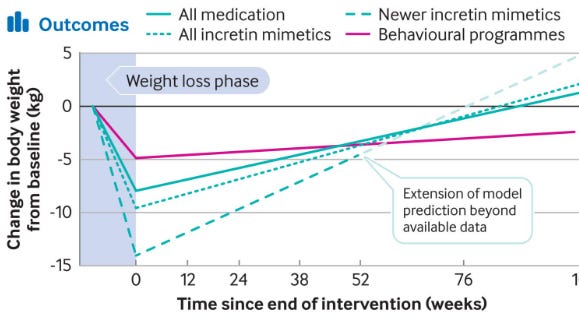
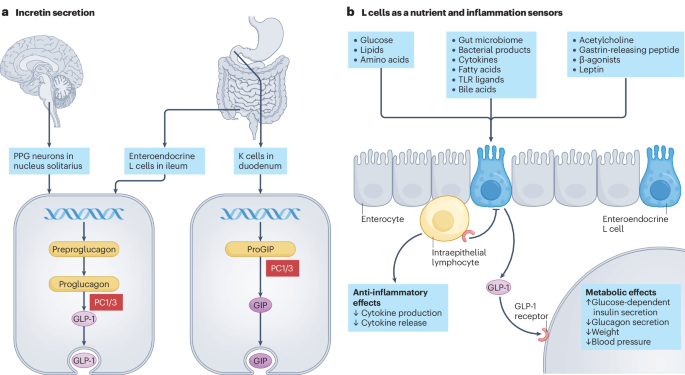
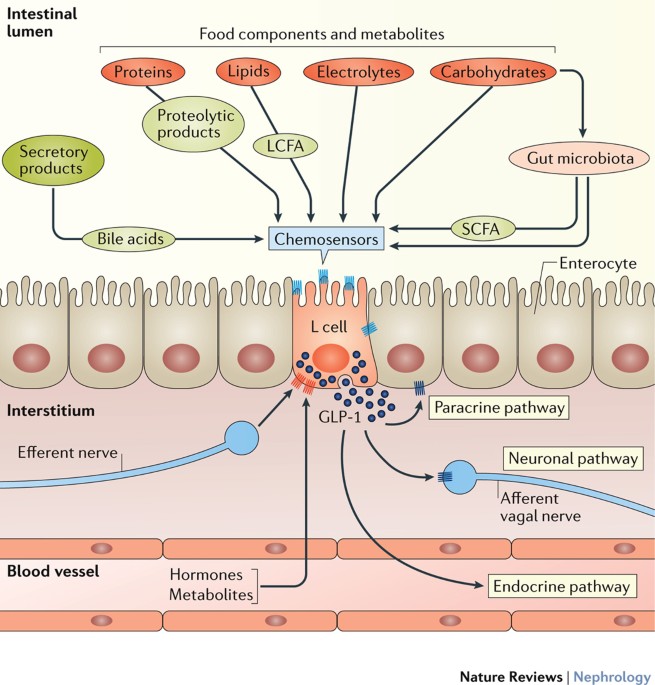
While the supplements have a milder effect than the drug, they are an excellent choice for those who: Do not want to go on the drug Discontinued the drug due to side effects Want to buffer the side effects of the drug Nutrients that Stimulate GLP-1 Production Probiotic Species: Akkermansia Mucinophilia generates propionate, a short chain fatty acid, and a protein called P9, both of which induce GLP-1 production Clostridium butyricum produces butyrate, which stimulates GLP-1 Bifidobacterium infantis Produces acetate and lactate, which feed the two strains mentioned above, naturally boosting GLP-1 production Bifidobacterium longum increases short chain fatty acids and normalizes leptin, the satiety hormone Lactobacillus plantarum increases short chain fatty acids, normalizes leptin, and decreases inflammation Berberine: Like GLP-1 medications, Berberine has a multitude of metabolic benefits
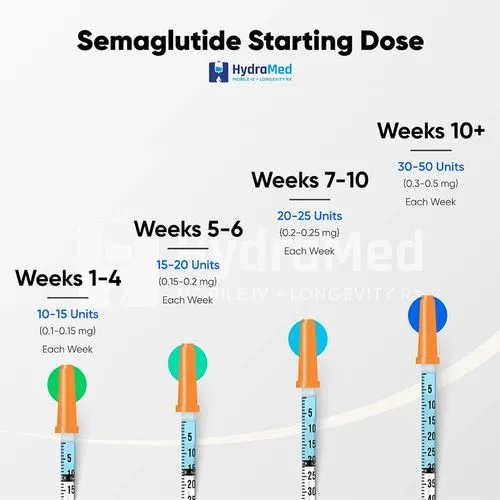
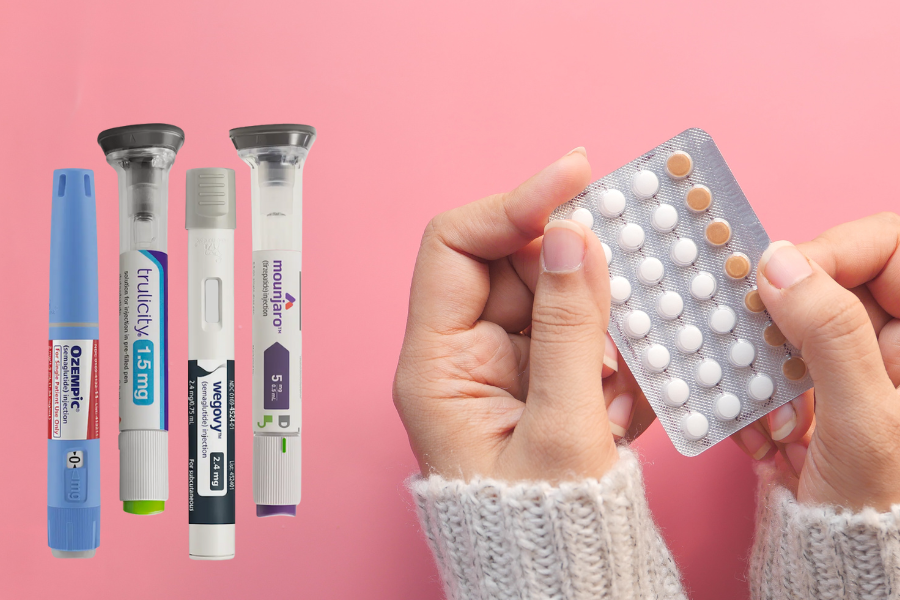
Prescription data indicate that commonly used drugs contributed to the signal, including: Semaglutide (injectable and oral formulations) Liraglutide Dulaglutide Exenatide (immediate- and extended-release) No single medication emerged as a dominant contributor