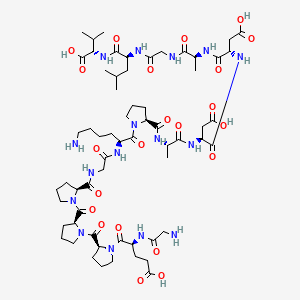
Physicochemical considerations include solubility in aqueous buffers, sensitivity to oxidation (especially for cysteine- or methionine-containing peptides), and pH stability
The wound healing cascade and GHK-Cu: Normal wound healing occurs in four overlapping phases: Hemostasis clotting Inflammation immune cell recruitment Proliferation new tissue formation Remodeling scar maturation GHK-Cu appears to favorably influence phases 2, 3, and 4 simultaneously: In the inflammatory phase , it reduces pro-inflammatory cytokines (IL-6, TNF-) while preserving necessary immune signaling In the proliferative phase , it stimulates keratinocyte migration and fibroblast proliferation, accelerating epithelial coverage In the remodeling phase , it promotes type I collagen deposition over type III (scar) collagen, leading to better scar outcomes This multi-phase tissue repair activity makes GHK-Cu a compound of interest when studied alongside other regenerative peptides
For ubiquitination, butyrate modulates polyubiquitination and protein stability primarily by interfering with the ubiquitinproteasome system, including the regulation of E3 ligases and deubiquitinases
Glutamate induces oxidative stress and apoptosis in cerebral vascular endothelial cells: contributions of HO-1 and HO-2 to cytoprotection