Mutations of SHANK2, SHANK3, NLGN4 , and NRXN1 are considered to cause ASD by altering synaptic connectivity and neuronal excitability, resulting in excitatory/inhibitory (E/I) imbalance (16)
Healthcare providers evaluate multiple clinical factors before recommending a treatment plan, and the same dose is not appropriate for every patient
Best storage after opening: Refrigerate in airtight container Use desiccant packet to absorb moisture Minimize air exposure (don't leave open) Use clean, dry utensils when measuring Shelf life after opening: Refrigerated with desiccant: 12-18 months Room temperature sealed: 6-12 months Room temperature frequently opened: 3-6 months Signs of powder degradation: Color change (darker, greenish tint) Clumping (moisture absorption) Loss of fine powder texture Reduced effectiveness when used Preventing degradation: Store in amber glass jar or opaque container Add silica gel desiccant packet Keep refrigerated after opening Never use wet measuring tools Seal immediately after measuring Temperature and copper peptide stability Understanding how temperature affects copper peptides helps you make informed storage decisions
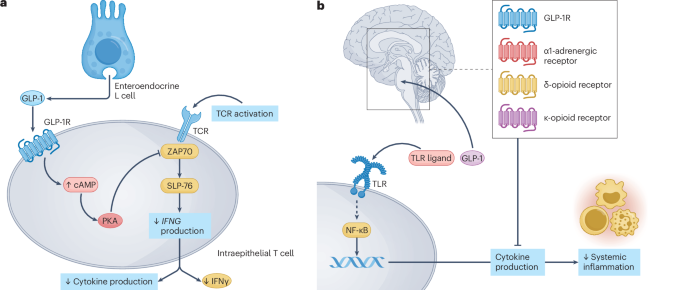
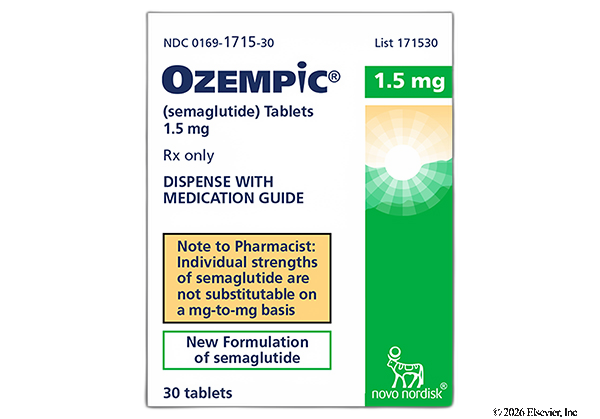
While injectable GLP-1 receptor agonists such as semaglutide (Ozempic, Wegovy) and tirzepatide (Mounjaro, Zepbound) have transformed the treatment landscape for obesity and type 2 diabetes, their reliance on subcutaneous injection remains a significant barrier to broader adoption