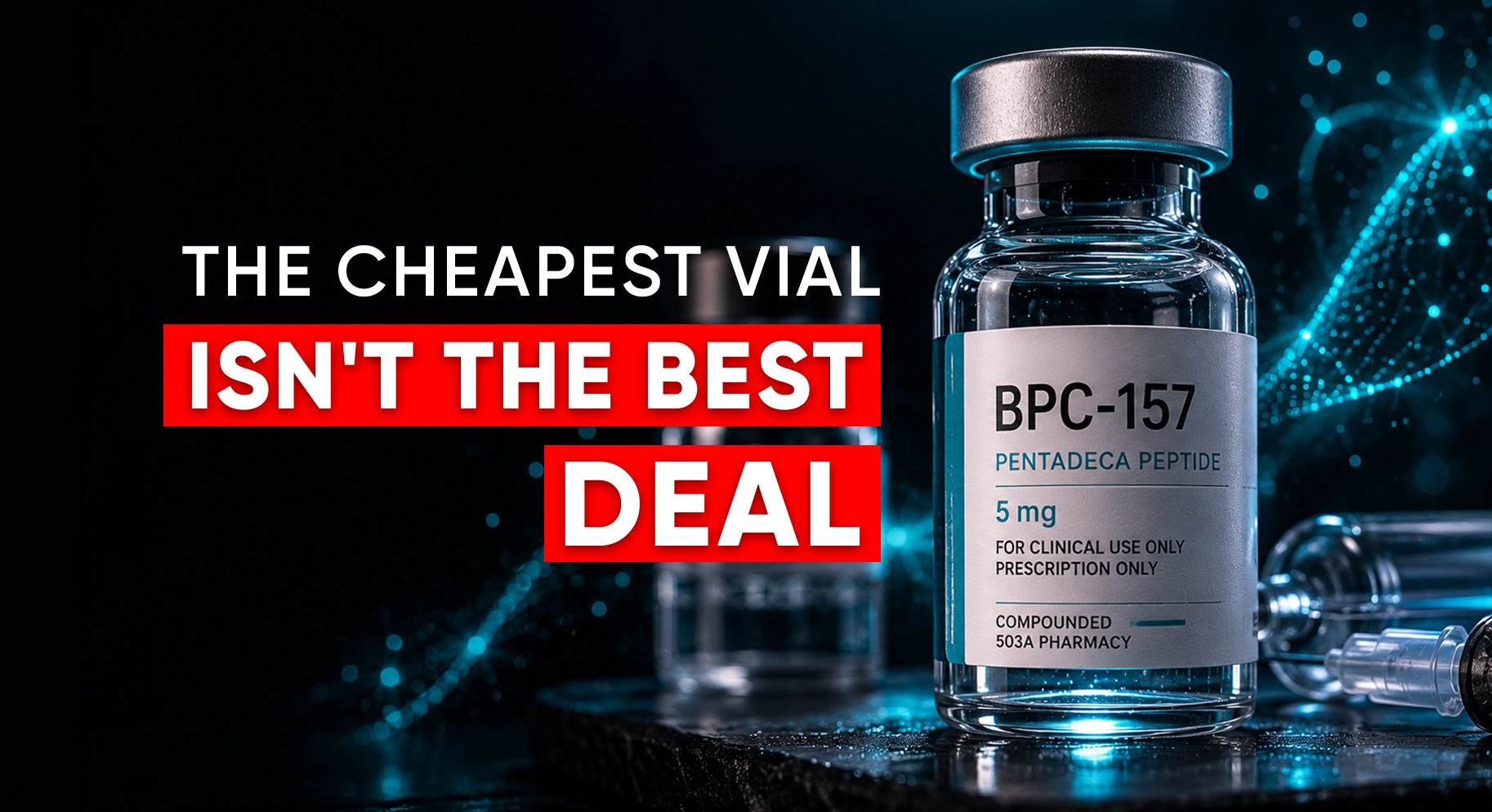
Wound and soft-tissue healing A 2021 review in Frontiers in Pharmacology drew together preclinical work showing BPC-157 promoting wound and soft-tissue healing across skin, muscle, tendon, ligament and the gut, tied to the peptides angiogenic action [1]

Revenue Leakage Points in 78452 Billing Most financial loss does not come from outright denialsit comes from silent inefficiencies : Under-coded services (missing -26 or -TC split billing) Incorrect ICD-10 sequencing reducing medical necessity strength Missed drug reimbursement (e.g., J2785 for Lexiscan) Bundling errors under National Correct Coding Initiative edits Failure to track payer-specific reimbursement variance These issues reduce net collection per study even when claims are technically paid. End-to-End Revenue Optimization Framework A structured approach aligns clinical workflow with payer expectations and financial outcomes: RPM (Revenue Per Study) Optimization Drivers Practices that actively monitor these variables outperform others: Modifier accuracy rate (%) First-pass claim acceptance rate Average reimbursement variance by payer Denial rate for nuclear cardiology services Turnaround time (DOS Payment) Even a 58% improvement in clean claim rate for CPT 78452 can translate into thousands of dollars monthly for mid-size cardiology groups

Is it safe to reuse syringes for drawing doses
(7.1) Antibiotics: Thiamine, riboflavin, pyridoxine, niacinamide, and ascorbic acid decrease activities of erythromycin, kanamycin, streptomycin, doxycycline, and lincomycin


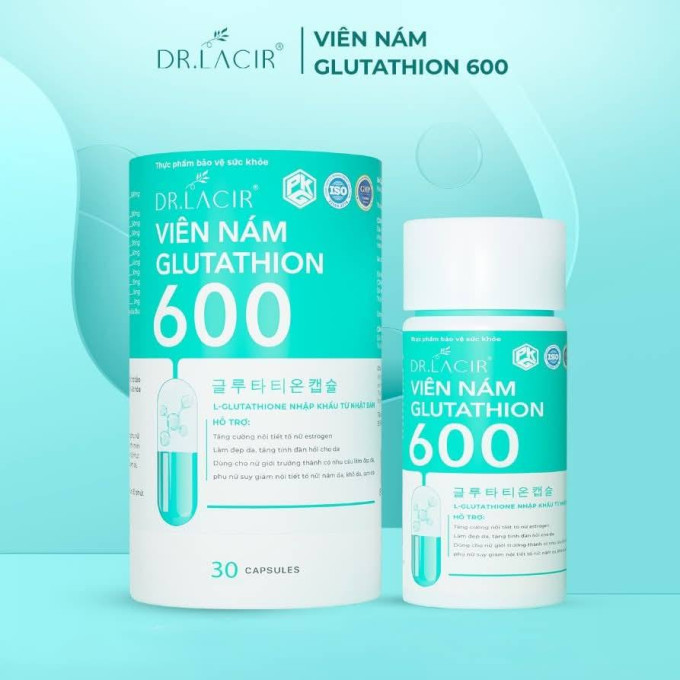
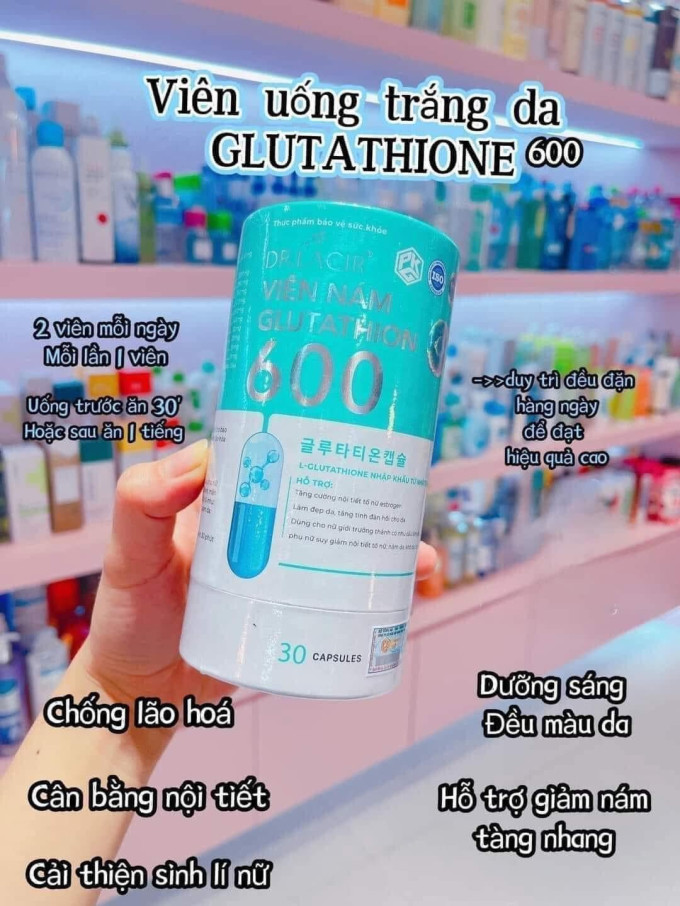

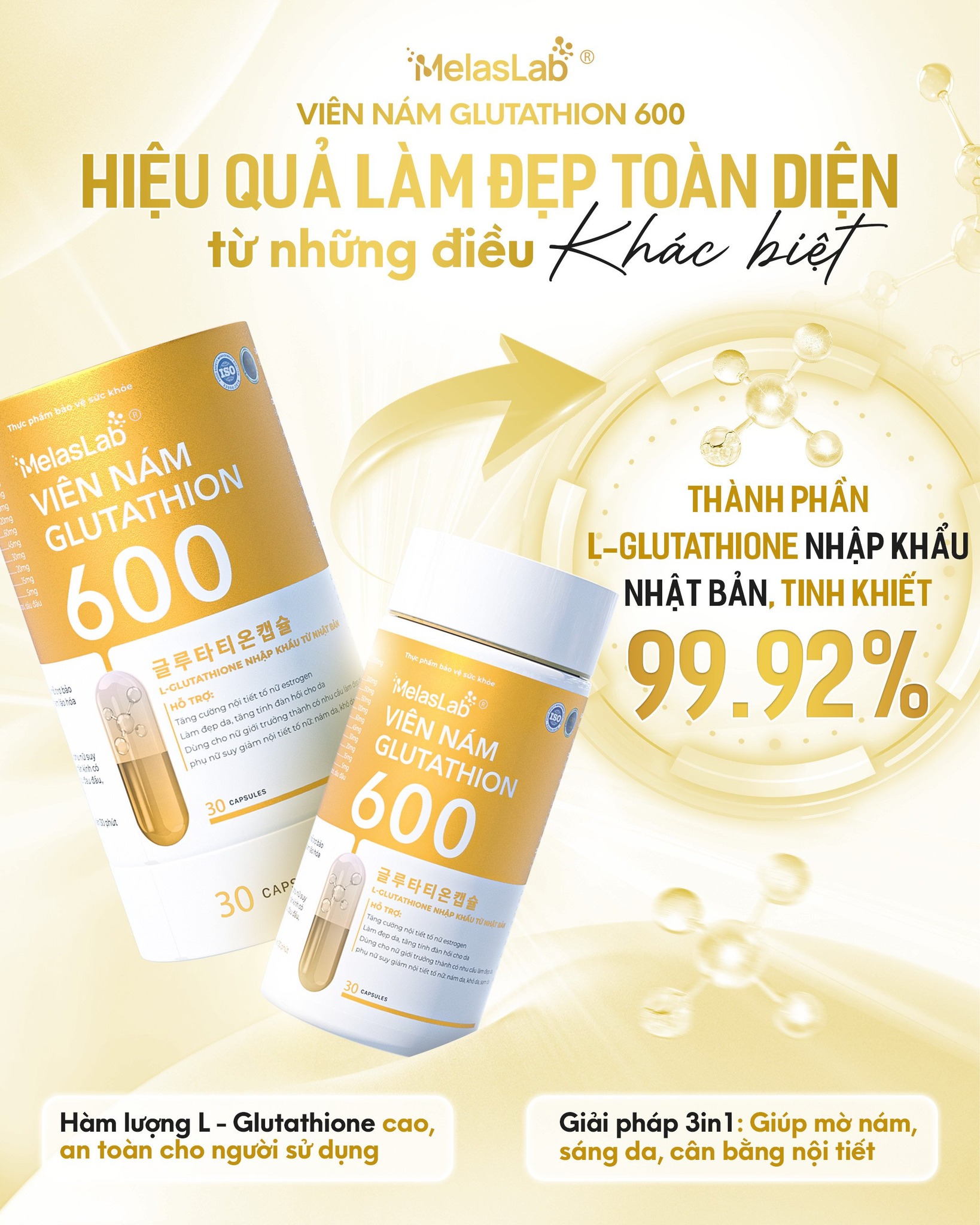
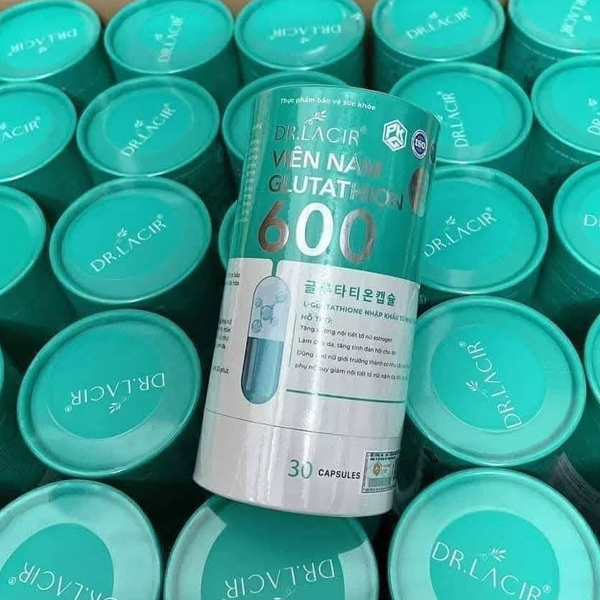
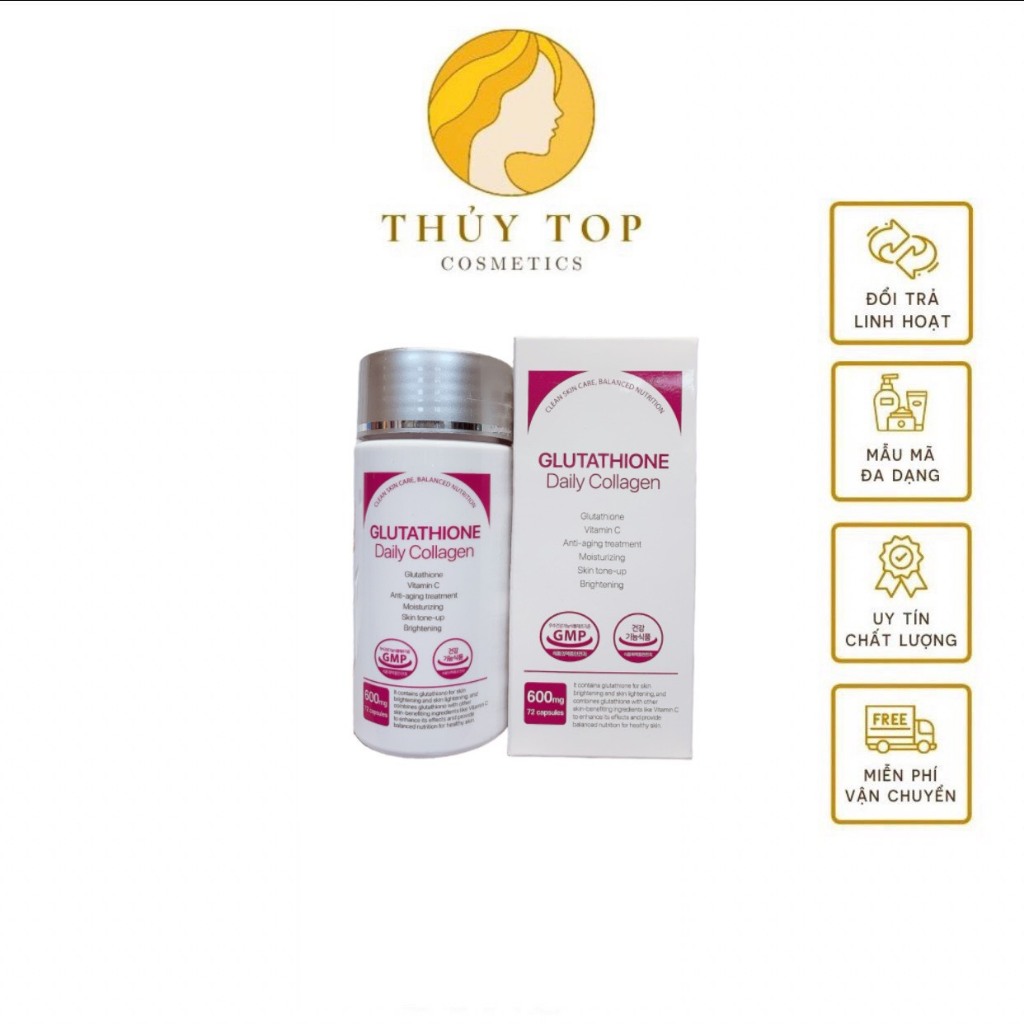
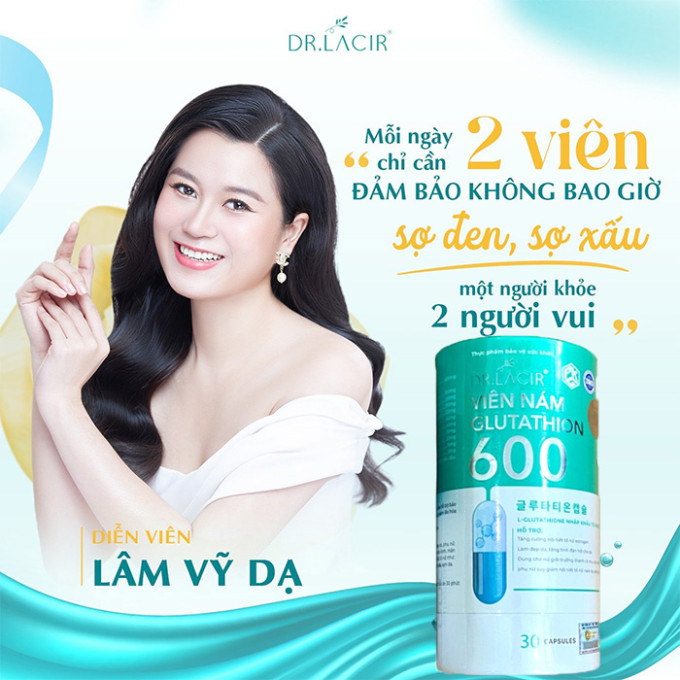
![Combo 2 hộp] Viên Uống Nám Trắng Da Glutathione 600mg kèm Vitamin C](https://myphamdrlacir.com/ckfinder/userfiles/images/vien-uong-trang-da-glutathione-600(1).jpg)

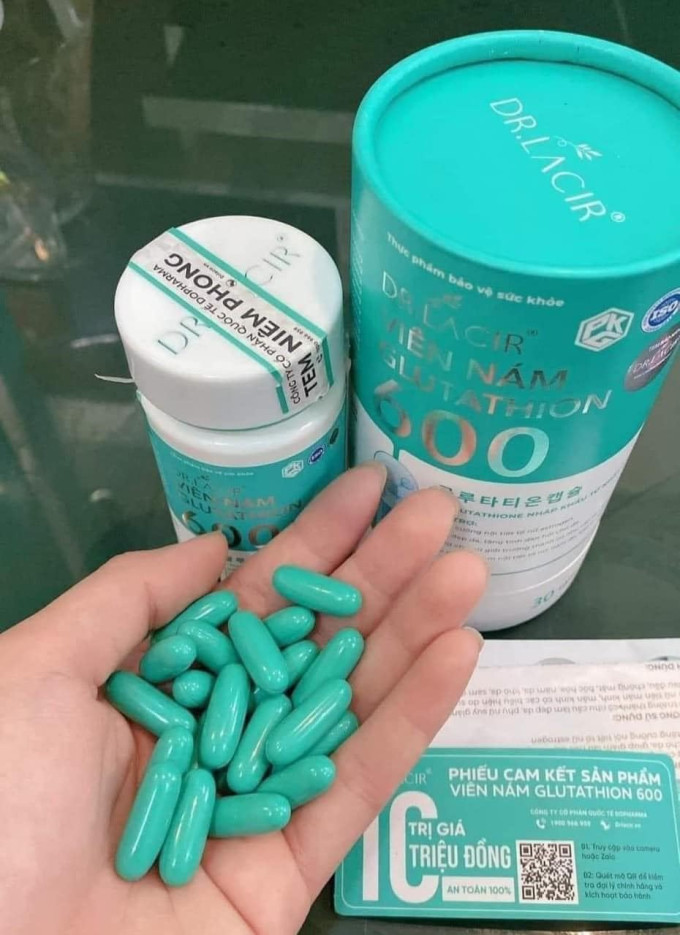

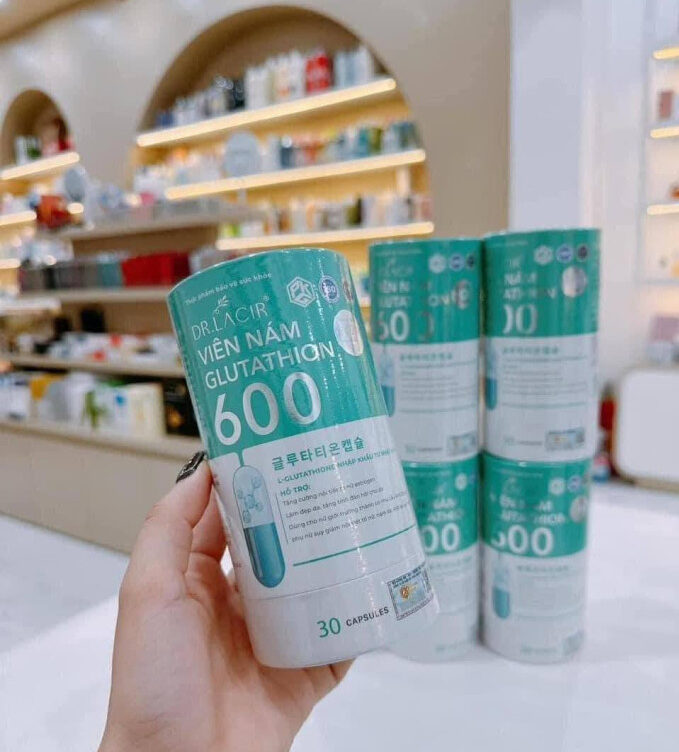

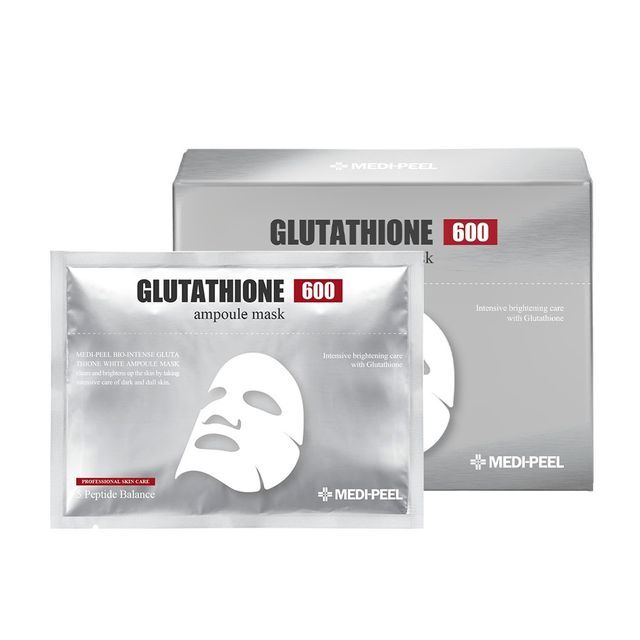
![CHÍNH HÃNG] Viên Trị Nám Glutathione 600](https://simebeauty.com/wp-content/uploads/2022/05/vien-uong-Glutathione-600.jpg)

/https://s3-images.chiaki.vn/system/uploads/product/1784263743897/cloud-image-1784263743897-vien-ngam-ho-tro-trang-da-glutathione-1-00mg-ntc.png)