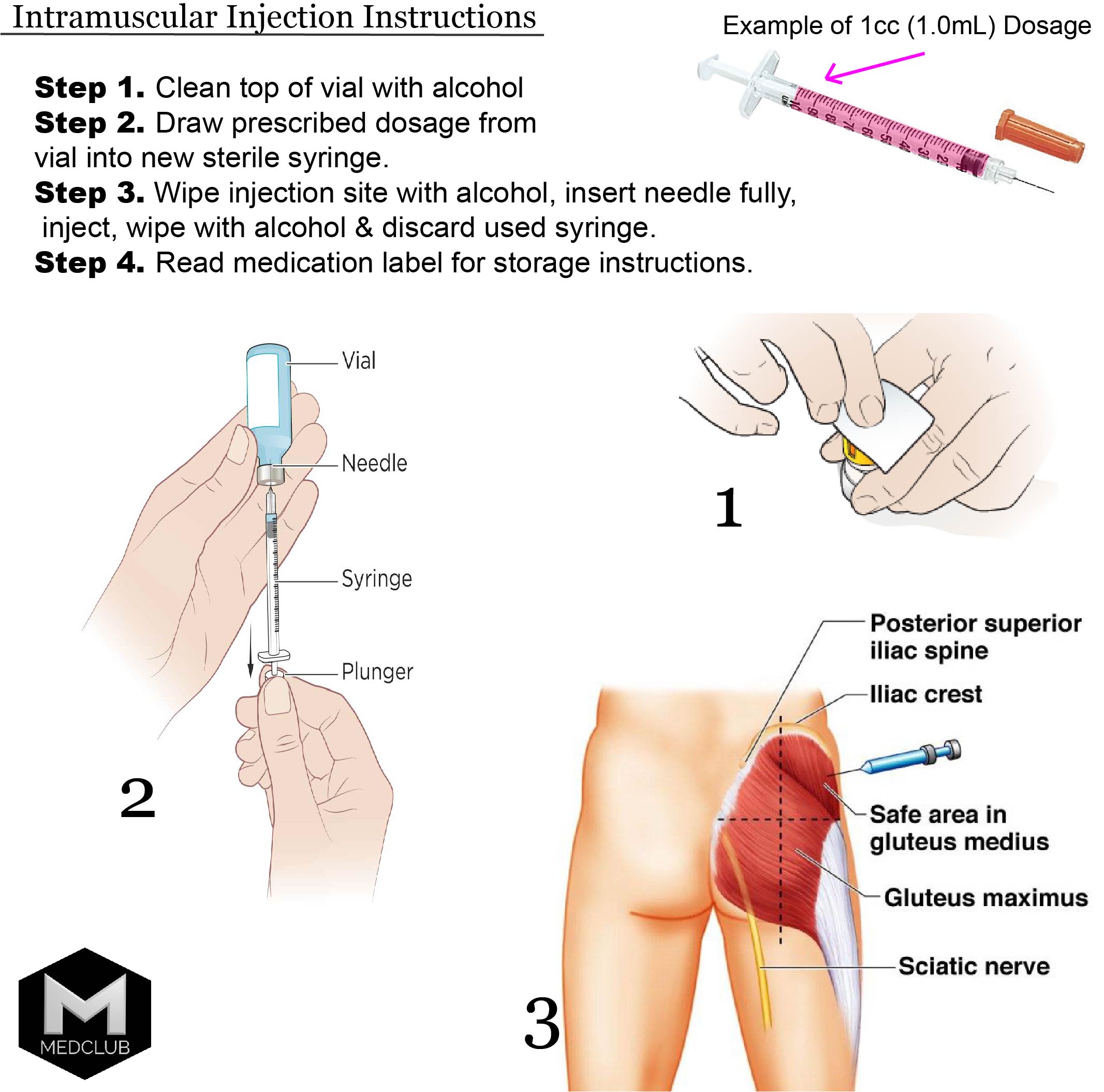
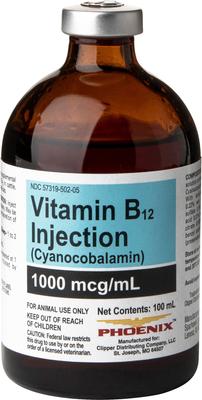
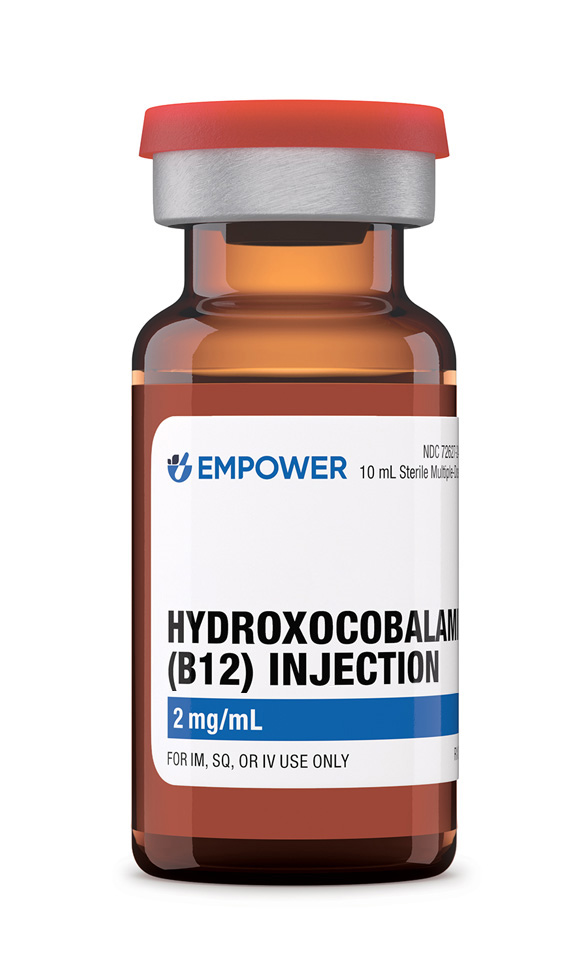
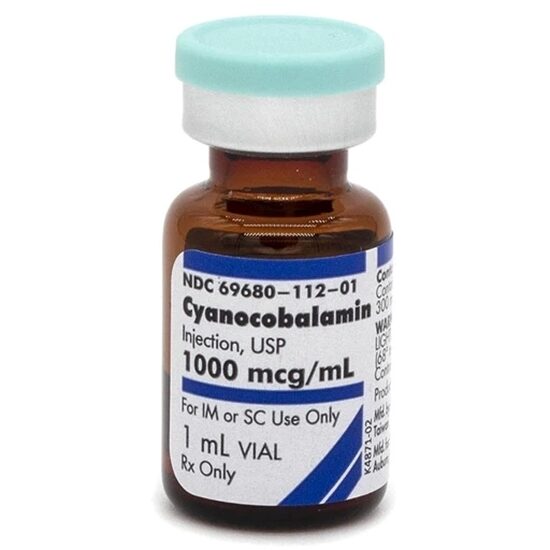
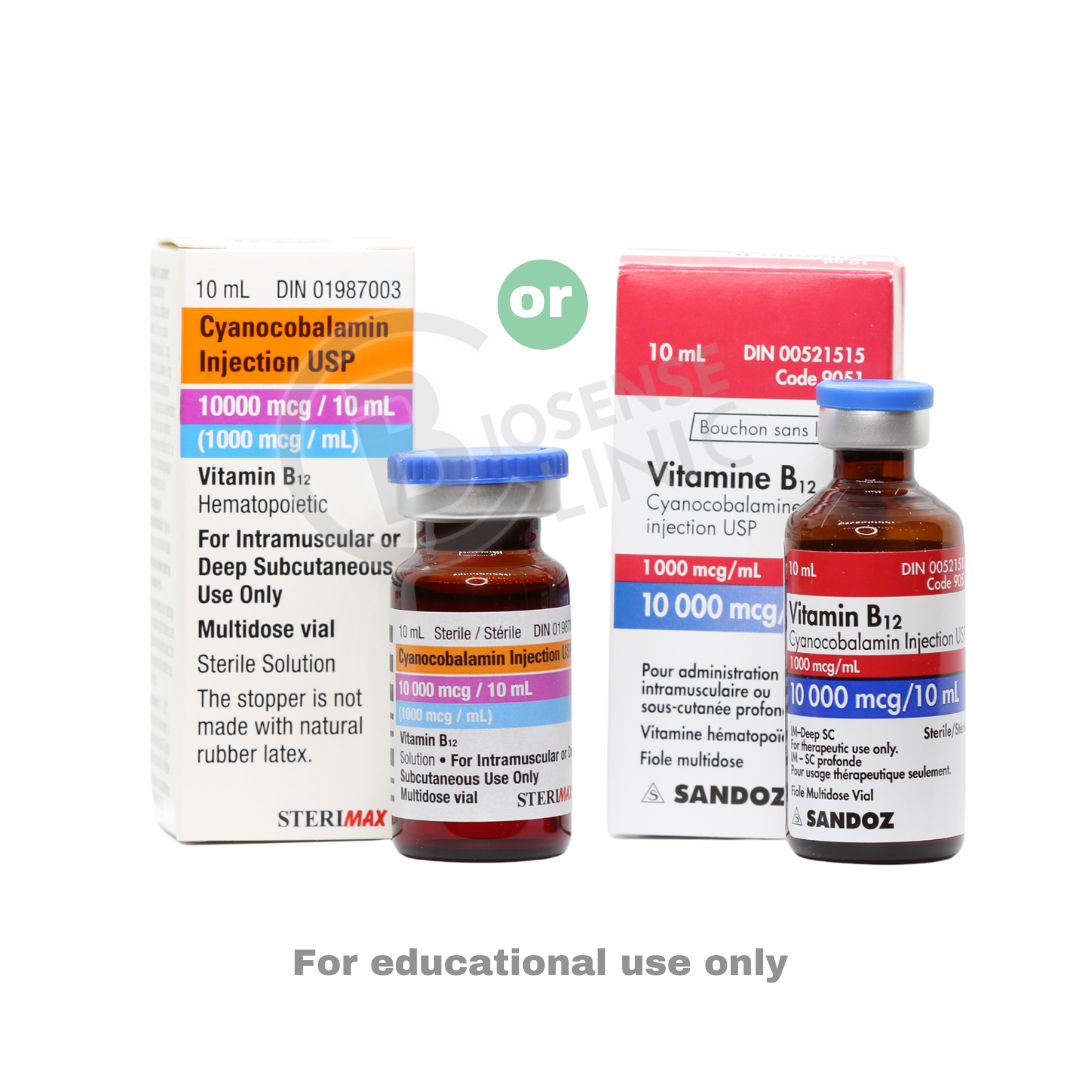
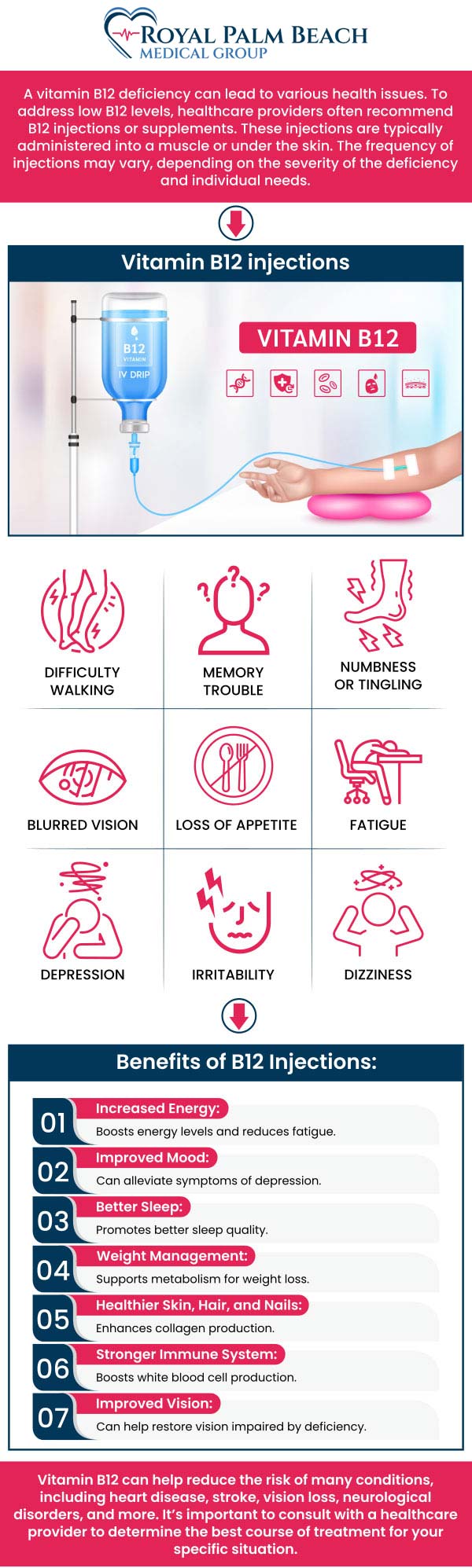
Most people dont realize this, but the delivery system can completely change the effectiveness of a supplement
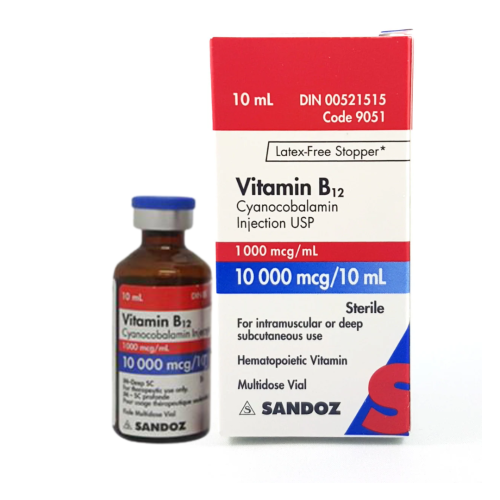
It is also important to note that different conditions affect HbA1c in different ways: Haemolytic anaemia and acute blood loss shorten red cell lifespan and tend to lower HbA1c Iron deficiency anaemia is associated with increased HbA1c, likely due to prolonged red cell survival Haemoglobin variants (haemoglobinopathies) can cause variable or assay-dependent interference the effect depends on the specific variant and the HbA1c method used B12 or folate deficiency alters erythropoiesis and red cell indices, making HbA1c potentially unreliable in either direction Clinicians should therefore: Review the full blood count (FBC) alongside HbA1c Check serum B12 and folate when anaemia or macrocytosis (raised mean corpuscular volume, MCV) is identified Consider alternative glucose assessment methods specifically fasting plasma glucose or a 75 g OGTT for diagnostic purposes, or self-monitored blood glucose (SMBG) or fructosamine/glycated albumin for interim monitoring when HbA1c is unreliable Not sure where to start

However, despite clinical efficacy of GLP-1RAs, clinical data has highlighted increased risk of gallbladder disease, including gallstone formation (cholelithiasis), inflammation of the gallbladder (cholecystitis), and pancreas, especially with higher doses and prolonged use (1,5,6)
This organ then undergoes a metabolic switch to synthesise acylcarnitines, which are transported in plasma to brown adipose tissue to serve as a fuel for thermogenesis
:max_bytes(150000):strip_icc()/insulin-injection-478185779-594b3cae3df78cae8111498f.jpg)