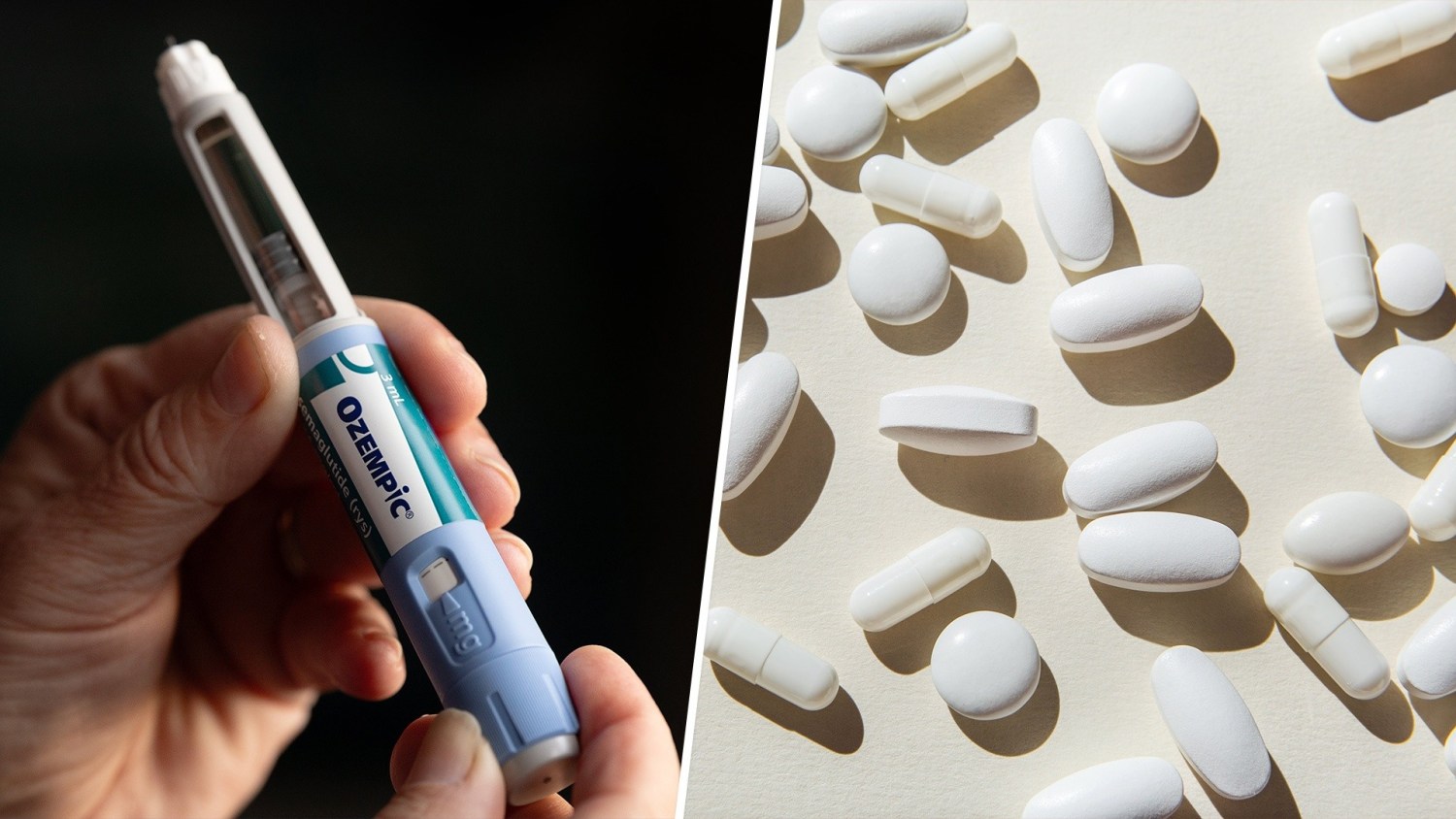
companies innovating obesity treatment glp-1 drugs 2025
Shipping Estimate
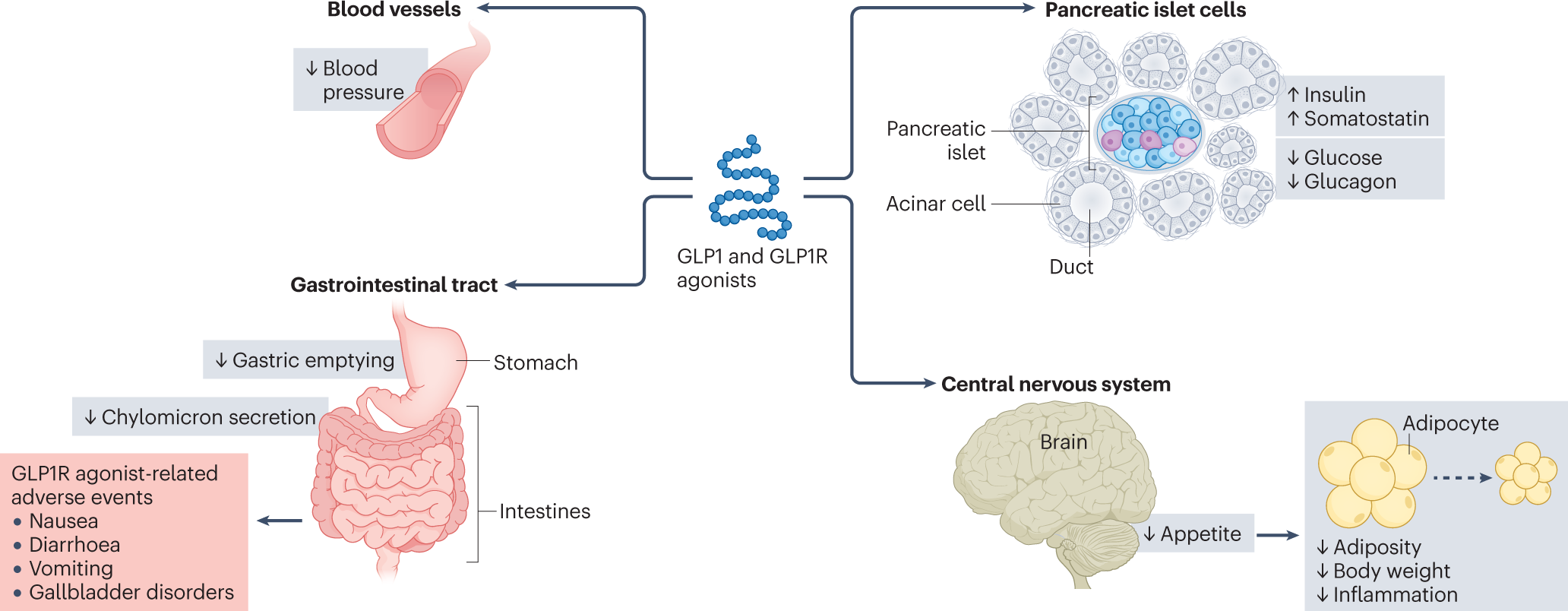
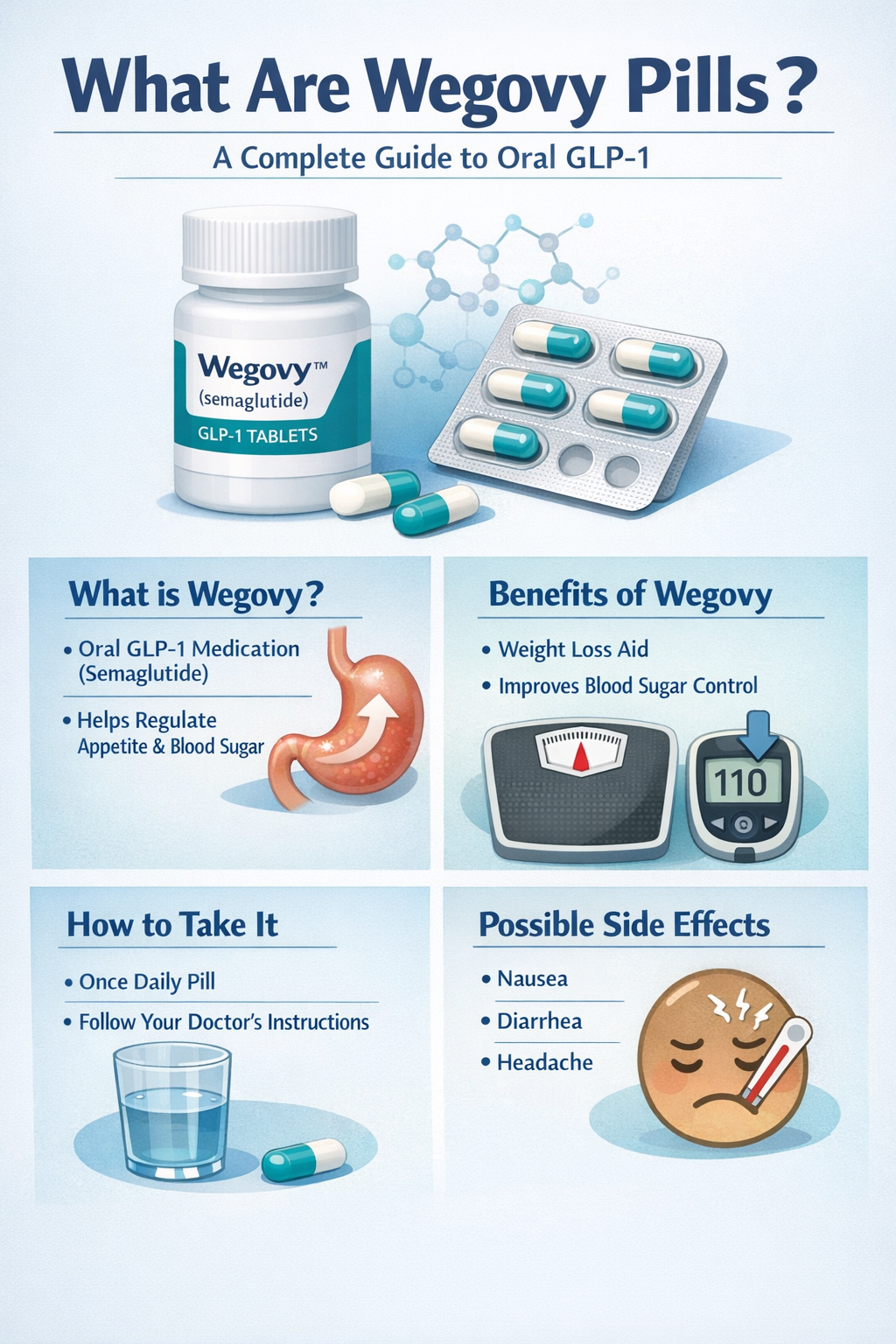
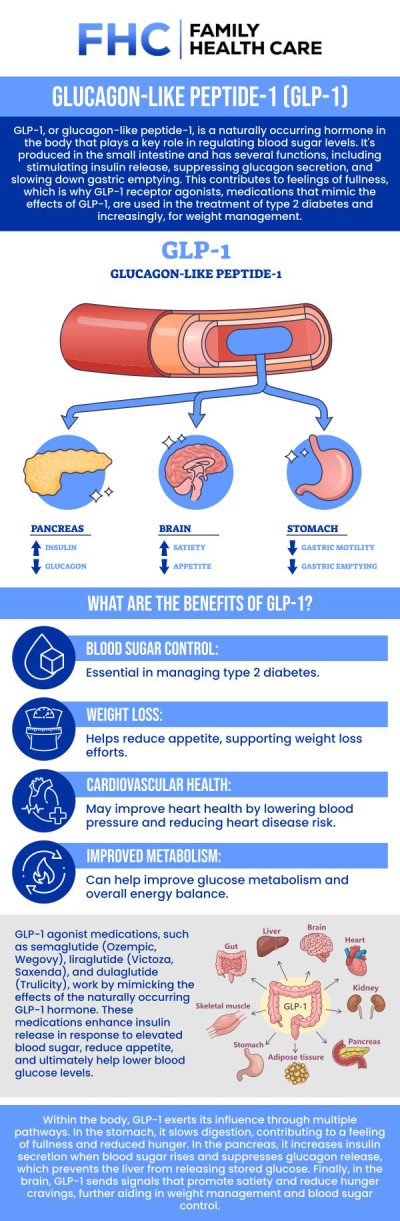
companies innovating obesity treatment glp-1 drugs 2025 💰 US & Europe. Biggest drug race in medical history. 3 frontiers. All accelerating NOW. 🟢 Approximately $100 billion market. Eli Lilly: $1 TRILLION market cap. Oral pill FDA approved How Employers Can Manage GLP-1
EUR28.36
EUR58.36
Pay in 4 interest-free payments of $7.09 Learn more
Shipping Estimate
USA
- USA
- CAN
- USA
- CAN
Ships within 48 hours · Estimated delivery Aug 13 - Aug 18